

- By Sporthill International
- May 8, 2026
- 0 Comment
The Rise of Padel and Mini Sports Arenas in Nigeria
The Rise of Padel and Mini Sports Arenas in Nigeria
Across Nigeria, the sports and recreation industry is entering a new era. While football remains the country’s dominant sport, newer recreational activities such as padel, pickleball, five-a-side football, and mini sports arenas are rapidly gaining popularity among young professionals, students, fitness enthusiasts, real estate developers, and investors.
What was once considered a niche luxury sport reserved for elite clubs is gradually becoming one of the fastest-growing segments in Nigeria’s sports infrastructure ecosystem. From Lagos to Abuja and Port Harcourt, developers and entrepreneurs are beginning to recognize the commercial potential of compact, modern sports facilities that combine fitness, entertainment, social interaction, and business opportunities.
The rise of padel and mini sports arenas represents more than just a sporting trend. It reflects changing lifestyles, urbanization, growing health awareness, and increased investment in modern recreational infrastructure.
What Is Padel?
Padel is a racket sport that combines elements of tennis and squash. It is typically played in doubles on a smaller enclosed court surrounded by glass and mesh walls.
Unlike traditional tennis, the walls are part of gameplay, making rallies longer and the game easier for beginners to enjoy. Padel is widely regarded as:
Social
Easy to learn
Fast-paced
Less physically demanding than tennis
Suitable for different age groups
Globally, padel has become one of the fastest-growing sports industries in the world. According to international padel industry reports, there are now more than 35 million players globally and over 77,000 courts worldwide. (Cluster Padel)
The sport’s rapid growth is being driven by:
Urban recreational demand
Commercial sports investments
Club memberships
Social sports culture
Compact court requirements
Strong revenue potential for facility owners
Why Padel Is Growing in Nigeria
Although still in its early stages, padel is steadily expanding in Nigeria, particularly in major urban areas such as Lagos and Abuja. Industry observers describe the Nigerian market as “developing but promising,” with growth tied closely to private investment and new facility construction. (Padel Without Borders)
Several factors are driving this growth.
1. Urban Lifestyle and Social Recreation
Modern urban professionals are increasingly seeking recreational activities that combine:
Fitness
Networking
Entertainment
Social interaction
Padel fits perfectly into this lifestyle because it is highly social and beginner-friendly.
Unlike traditional tennis, which often requires advanced technical skills, padel allows new players to enjoy competitive games almost immediately. Many players worldwide describe padel as easier to learn and more socially engaging than other racket sports. (Reddit)
This social nature makes it attractive for:
Corporate networking
Weekend recreation
Family activities
Young professionals
Fitness communities
2. Compact Land Requirements
Land costs in cities like Lagos continue to rise significantly. Traditional stadiums and large sports complexes require massive land investments that many developers cannot afford.
Padel and mini sports arenas solve this problem because they require much smaller spaces.
A standard padel court occupies significantly less land than:
Football pitches
Athletics tracks
Traditional stadiums
This makes padel attractive for:
Real estate developers
Hotels
Private clubs
Schools
Estates
Rooftop recreation projects
Mini sports arenas are also becoming popular because they maximize limited urban spaces while generating strong commercial returns.
3. Strong Business and Revenue Potential
Padel is not just a sport — it is becoming a business ecosystem.
Globally, the padel industry is now worth billions of euros and continues attracting infrastructure investments, sponsorships, and commercial partnerships. (Cluster Padel)
One reason investors are attracted to padel is its strong revenue model.
Padel facilities can generate income through:
Court bookings
Membership subscriptions
Coaching sessions
Tournaments
Food and beverage sales
Sports retail
Event hosting
Unlike traditional football fields that may sit unused during weekdays, padel courts often experience consistent hourly bookings because matches are shorter and easier to organize.
Many global sports investors now see padel clubs as modern lifestyle hubs rather than simple sports facilities.
The Rise of Mini Sports Arenas
Alongside padel, mini sports arenas are also reshaping sports infrastructure development in Nigeria.
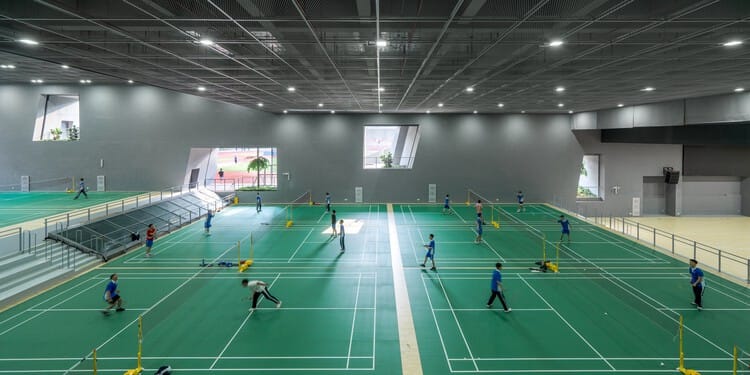
Mini sports arenas are compact recreational facilities designed to support multiple activities within smaller urban environments.
They may include:
Five-a-side football pitches
Basketball courts
Padel courts
Fitness zones
Volleyball courts
Indoor gaming spaces
Cafes and lounges
Event spaces
These facilities are increasingly being developed in:
Residential estates
Schools
Hotels
Shopping malls
Private clubs
Mixed-use developments
Mini arenas are especially attractive because they:
Require less capital than full stadiums
Fit into urban environments
Generate recurring revenue
Appeal to younger demographics
Encourage community engagement
Real Estate Developers Are Taking Notice
Modern real estate developments are no longer focused solely on residential housing. Lifestyle amenities are becoming major selling points.
Today, many premium estates and mixed-use developments now include:
Mini football pitches
Padel courts
Outdoor gyms
Recreational hubs
Sports infrastructure has become a valuable real estate marketing tool.
Developers understand that buyers increasingly value:
Wellness
Recreation
Community living
Active lifestyles
As a result, sports facilities are becoming standard features in luxury and mid-range developments.
Schools and Universities Are Joining the Trend
Educational institutions are also beginning to explore padel and mini sports arenas as modern additions to their campuses.
Schools are recognizing that students and parents increasingly value:
Sports development
Recreational activities
Modern campus facilities
Padel is particularly attractive for schools because:
It is easier to learn than tennis
It requires less space
It supports group participation
It appeals to younger audiences
Mini sports arenas also allow schools to maximize limited campus land while supporting multiple sports activities.
Nigeria’s Sports Investment Landscape Is Expanding
The rise of padel and mini sports arenas aligns with broader conversations around sports investment and infrastructure development across Africa.
Events such as the Sports Africa Investment Summit 2026 highlight growing interest in sports infrastructure as an economic driver in Africa. (sportnigeria.ng)
Governments and private investors are increasingly viewing sports as:
An economic sector
A tourism driver
A youth development tool
A job creation platform
This shift creates opportunities for:
Sports construction companies
Facility operators
Investors
Equipment suppliers
Real estate developers
The Role of Sports Construction Companies
As demand rises, specialized sports construction companies are becoming increasingly important.
Padel courts and mini arenas require technical expertise in:
Surface installation
Turf systems
Lighting
Drainage
Structural design
Glass enclosure systems
Poorly constructed facilities can lead to:
Safety risks
Frequent maintenance issues
Poor gameplay experience
Reduced business profitability
Professional sports construction firms help investors optimize:
Land usage
Construction costs
User experience
Long-term maintenance
Commercial viability
Companies that specialize in sports infrastructure development are likely to play a major role in shaping Nigeria’s emerging recreational economy.
Challenges Facing the Industry
Despite the excitement surrounding padel and mini sports arenas, several challenges remain.
High Initial Investment
Padel courts require:
Glass enclosures
Specialized turf
Lighting systems
Steel structures
This can increase startup costs compared to basic recreational facilities.
Limited Awareness
Many Nigerians are still unfamiliar with padel.
Market education, tournaments, influencer marketing, and community engagement will be important for increasing participation.
Limited Technical Expertise
Because the industry is still emerging, there are relatively few local experts specializing in:
Padel court construction
Facility management
Professional coaching
This creates opportunities for training and partnerships.
Power and Maintenance Costs
Sports facilities in Nigeria often face:
High electricity costs
Fuel expenses
Equipment maintenance challenges
Facility owners are increasingly exploring solar-powered systems and energy-efficient infrastructure to reduce operational costs.
The Future of Padel and Mini Sports Arenas in Nigeria
The future appears highly promising.
Globally, padel continues to experience explosive growth, and Africa is gradually becoming part of that expansion. Countries like Egypt and South Africa are already emerging as major padel markets on the continent. (Padel Build)
Nigeria’s large youth population, urban growth, rising middle class, and increasing interest in fitness and lifestyle experiences create strong foundations for expansion.
Over the next few years, Nigeria is likely to see:
More padel clubs
Estate-based mini arenas
School sports hubs
Corporate recreation centers
Commercial sports lounges
Tournament ecosystems
Youth development programs
The recent launch of the Padel Federation of Nigeria also signals growing institutional support for the sport’s development nationwide. (NewsTap)
Conclusion
The rise of padel and mini sports arenas in Nigeria reflects a broader transformation in how sports, recreation, and lifestyle infrastructure are evolving across Africa.
People are no longer looking only for traditional stadiums. They want modern, accessible, social, and commercially viable recreational spaces that fit urban lifestyles.
Padel’s beginner-friendly nature, compact court size, and strong commercial potential make it one of the most exciting opportunities in Nigeria’s emerging sports economy.
At the same time, mini sports arenas are redefining how communities, schools, estates, and developers approach sports infrastructure development.
For investors, developers, schools, and sports construction companies, this growing industry represents a major opportunity to shape the future of recreation, wellness, and sports business in Nigeria.
“Contact Sporthill International for facilities construction.”
Ogunniyi Adeleke