

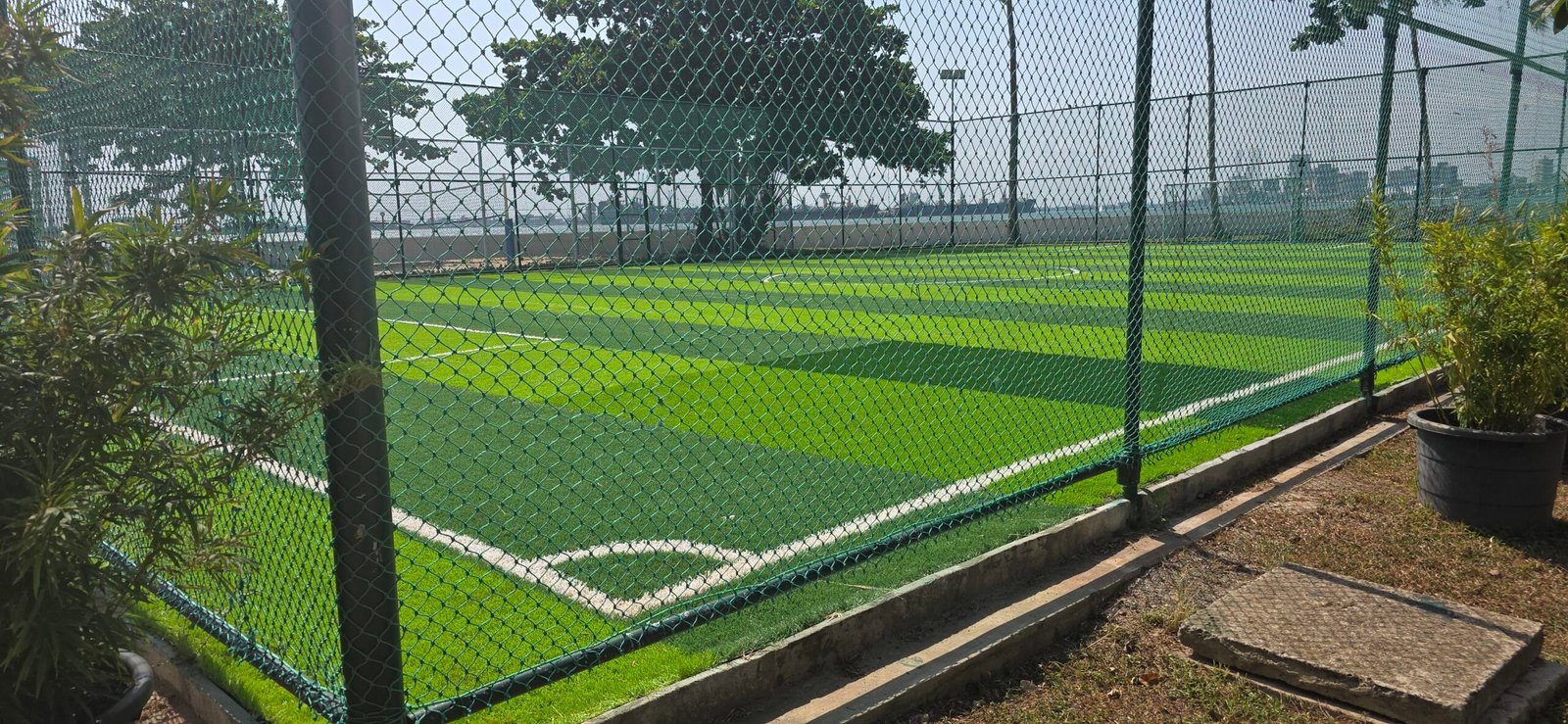
When Is the Best Time to Build a Football Pitch in Nigeria?
When Is the Best Time to Build a Football Pitch in Nigeria?
Building a football pitch in Nigeria is a major infrastructure investment, whether it’s for a school, sports academy, estate, community project, or commercial sports facility. One of the most overlooked but critical factors that determines the success, cost efficiency, and construction quality of the project is timing.
Choosing the right time to build a football pitch affects:
- Construction speed
- Soil stability
- Drainage effectiveness
- Cost of materials and labor
- Project delays
- Long-term durability of the pitch
In Nigeria’s tropical climate—characterized by rainy and dry seasons—timing can significantly influence how smoothly a project is executed.
This article explains the best time to build a football pitch in Nigeria and how seasonal conditions impact construction outcomes.
Understanding Nigeria’s Climate Pattern
Nigeria generally has two major seasons:
Rainy Season
- March to October (varies slightly by region)
- Heavy rainfall and high humidity
- Flooding and waterlogged soil in many areas
Dry Season
- November to February
- Lower rainfall
- Harder, more stable ground conditions
These seasonal changes directly affect construction activities, especially sports field development.
Best Time to Build a Football Pitch in Nigeria
1. Dry Season (November – February) — BEST OVERALL TIME
The dry season is widely considered the best time to construct a football pitch in Nigeria.
Why it is ideal:
Stable Soil Conditions
- Less moisture in the ground
- Easier excavation and grading
- Reduced risk of soil collapse
Faster Construction Speed
- No weather interruptions
- Continuous site work
- Shorter project timelines
Better Drainage Installation
- Easier trenching for pipes
- Accurate slope formation
- Proper compaction of sub-base layers
Reduced Equipment Damage
- Less mud and slippage
- Easier movement of machinery
Lower Risk of Project Delays
Weather-related stoppages are minimal.
However:
The dry season is also a high-demand construction period, so:
- Contractors may be busier
- Material prices can increase slightly
- Early planning is required
2. Early Rainy Season (March – May) — GOOD WITH PLANNING
The early rainy season can still be suitable if the project is well-managed.
Advantages:
- Lower demand for contractors
- Possible cost savings on labor
- Cooler working conditions
Challenges:
- Intermittent rainfall delays
- Need for stronger drainage planning
- Risk of soil saturation during excavation
Best Use Case:
This period is suitable for:
- Projects with strong drainage design
- Artificial turf installations (after base works are secured)
- Smaller football pitches or training grounds
3. Peak Rainy Season (June – September) — NOT RECOMMENDED
This is the most challenging time to build a football pitch in Nigeria.
Major Issues:
Flooding and Waterlogging
- Excavated areas fill with water
- Sub-base becomes unstable
Construction Delays
- Frequent rain interruptions
- Reduced working hours
Poor Soil Compaction
- Moist soil leads to weak foundations
- Long-term surface problems
Increased Costs
- Rework due to damage
- Equipment downtime
- Drainage complications
Verdict:
Avoid starting major earthworks during peak rainy season unless absolutely necessary.
4. Late Rainy Season to Early Dry Season (October – November) — TRANSITION PERIOD
This is a strategic window for some types of work.
Suitable Activities:
- Planning and design finalization
- Site clearing
- Procurement of materials
- Drainage system preparation
Not ideal for:
- Full excavation
- Turf installation
- Concrete foundation work
Advantage:
Projects started in planning phase during this period can move quickly into full construction once dry season begins.
How Seasonal Timing Affects Different Pitch Types
Natural Grass Pitches
Best built during:
- Dry season
Reason:
Grass establishment requires controlled watering—not uncontrolled rainfall.
Artificial Turf Pitches
Best built during:
- Dry season (preferred)
- Early rainy season (with proper drainage planning)
Reason:
Sub-base stability is critical before turf installation.
Hybrid or Professional Stadium Pitches
Best built during:
- Extended dry season window
Reason:
These require precision engineering and uninterrupted construction.
Key Construction Stages Affected by Season
1. Site Clearing and Excavation
- Best in dry season
- Rain causes unstable soil conditions
2. Drainage System Installation
- Can be done year-round but easier in dry season
3. Sub-Base Formation
- Requires dry, compactable soil
4. Turf Installation
- Must be done in dry conditions for proper adhesion and leveling
Strategic Planning Tip for Investors
The most successful sports facility developers in Nigeria follow this strategy:
Step 1: Design Phase (Rainy Season)
- Architectural plans
- Budgeting
- Approvals
- Contractor selection
Step 2: Procurement Phase (Late Rainy Season)
- Materials ordered
- Equipment prepared
Step 3: Construction Phase (Dry Season)
- Excavation
- Drainage
- Sub-base
- Turf installation
This phased approach reduces delays and improves efficiency.
Cost Implications of Timing
Building at the right time can significantly reduce costs.
Dry Season Benefits:
- Fewer delays = lower labor cost
- Reduced rework
- Efficient equipment usage
Rainy Season Risks:
- Higher logistics cost
- Damage repairs
- Extended project timelines
In some cases, poor timing can increase project cost by 10%–30%.
Common Mistakes to Avoid
Starting construction during heavy rainfall
Leads to structural weaknesses.
Ignoring drainage planning
Causes long-term flooding issues.
Rushing turf installation in wet conditions
Leads to poor surface performance.
Not aligning project phases with seasons
Creates unnecessary delays and cost overruns.
Conclusion
The best time to build a football pitch in Nigeria is during the dry season (November to February) when soil conditions are stable, rainfall is minimal, and construction work can proceed without interruption.
However, with proper planning, early rainy season months can also be used strategically for preparation and phased construction.
Ultimately, the success of a football pitch project depends not just on design and materials, but on timing, planning, and execution strategy.
For investors, schools, and developers, aligning construction schedules with Nigeria’s seasonal climate is one of the simplest ways to ensure:
- Better quality pitches
- Faster project delivery
- Lower overall costs
- Longer facility lifespan
A well-timed project is always a more profitable and durable one.