

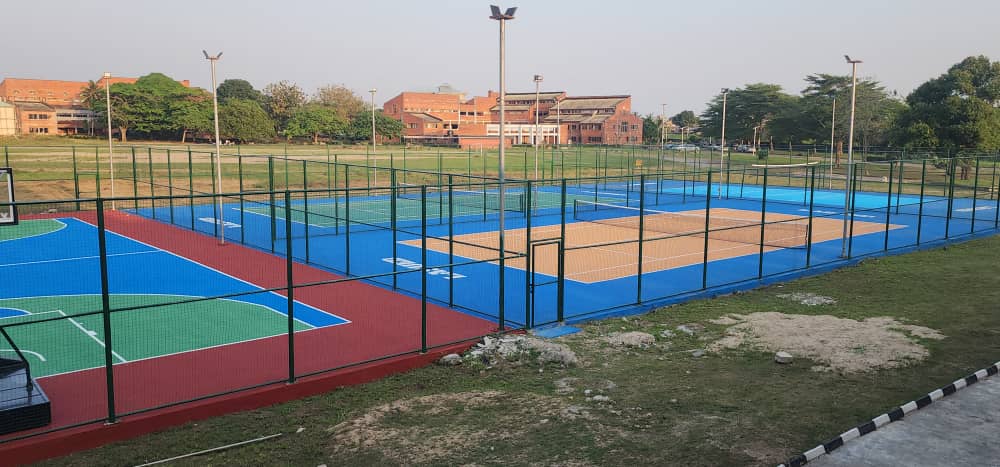
How to Maintain Outdoor Basketball and Tennis Courts
How to Maintain Outdoor Basketball and Tennis Courts
Outdoor basketball and tennis courts are valuable assets for schools, sports clubs, residential estates, recreational centers, and community facilities. However, exposure to sunlight, rainfall, dust, foot traffic, and changing weather conditions can gradually damage court surfaces if proper maintenance is neglected.
Regular maintenance not only improves safety and playing performance but also extends the lifespan of the court and protects the owner’s investment. Whether your court features concrete, acrylic, asphalt, or synthetic sports flooring, a proactive maintenance plan can significantly reduce repair costs and downtime.
This guide outlines the best practices for maintaining outdoor basketball and tennis courts in Nigeria and across Africa.
Why Court Maintenance Matters
Many facility owners focus on construction costs but underestimate the importance of ongoing maintenance.
Proper maintenance helps to:
- Extend court lifespan
- Maintain player safety
- Improve playing performance
- Preserve court appearance
- Prevent costly repairs
- Protect property value
A well-maintained court can remain in excellent condition for 10–20 years or more, depending on the surface type and usage levels.
Conduct Regular Court Inspections
The first step in effective maintenance is routine inspection.
Inspect the court at least once a month for:
- Surface cracks
- Fading line markings
- Water pooling
- Loose fencing
- Damaged basketball hoops
- Worn tennis nets
- Surface discoloration
Identifying small issues early can prevent major repairs later.
Keep the Court Surface Clean
Dirt, leaves, sand, and debris can gradually damage sports surfaces.
Recommended Cleaning Routine
Daily or Weekly
- Sweep leaves and debris
- Remove litter
- Check for standing water
Monthly
- Wash the court with water
- Remove accumulated dust
- Clean stains and spills
For acrylic courts, use soft-bristle brooms and non-abrasive cleaning methods to avoid damaging the surface coating.
Address Water Drainage Issues Immediately
Poor drainage is one of the leading causes of outdoor court deterioration.
Signs of drainage problems include:
- Water pooling after rain
- Moss or algae growth
- Surface discoloration
- Slippery areas
Maintenance Tips
- Clear drainage channels regularly
- Remove blockages from drains
- Ensure surrounding landscaping directs water away from the court
- Repair low spots where water collects
In tropical climates like Nigeria’s, proper drainage maintenance is critical for long-term court performance.
Repair Surface Cracks Early
Small cracks often appear harmless but can expand over time.
Causes include:
- Temperature changes
- Soil movement
- Heavy usage
- Water penetration
Why Immediate Repairs Matter
Unrepaired cracks can lead to:
- Larger structural damage
- Uneven playing surfaces
- Increased repair costs
Professional crack repair should be scheduled as soon as damage is identified.
Maintain Court Line Markings
Court markings play an important role in both appearance and functionality.
Over time, lines may fade due to:
- Sun exposure
- Rainfall
- Heavy use
Recommended Practice
Repaint court markings whenever they become difficult to see.
Fresh, clearly visible lines improve:
- Game accuracy
- Professional appearance
- User satisfaction
Protect the Surface From Heavy Equipment
Sports courts are designed for athletic use—not heavy loads.
Avoid placing:
- Construction equipment
- Vehicles
- Heavy machinery
- Large storage containers
Excessive weight can cause:
- Surface cracking
- Structural damage
- Premature wear
Restrict court access to authorized users only.
Manage Vegetation Around the Court
Trees and vegetation near courts can create maintenance problems.
Potential issues include:
- Falling leaves
- Root intrusion
- Surface staining
- Drainage obstruction
Maintenance Recommendations
- Trim nearby trees regularly
- Remove invasive roots
- Keep landscaping under control
This helps preserve both the court surface and drainage systems.
Maintain Basketball Equipment
For basketball courts, equipment inspections are essential.
Inspect Regularly
- Backboards
- Hoops
- Support poles
- Nets
Look for:
- Rust
- Loose bolts
- Structural damage
Damaged equipment creates safety hazards and should be repaired immediately.
Maintain Tennis Equipment
Tennis facilities also require regular equipment maintenance.
Check:
- Tennis nets
- Net posts
- Center straps
- Court fencing
Replace worn or damaged components promptly to maintain professional playing standards.
Prevent Moss and Algae Growth
Outdoor courts exposed to moisture and shade are vulnerable to moss and algae.
These growths can make surfaces:
- Slippery
- Unsafe
- Unattractive
Prevention Measures
- Improve drainage
- Increase sunlight exposure where possible
- Perform routine cleaning
- Use approved surface treatments when necessary
Safety should always be the priority.
Schedule Professional Surface Maintenance
Even with routine cleaning, courts benefit from professional servicing.
Recommended Frequency
- Every 6–12 months for heavily used courts
- Annually for recreational courts
Professional maintenance may include:
- Deep cleaning
- Surface assessment
- Crack repairs
- Coating restoration
- Drainage inspections
Preventive maintenance is usually far less expensive than major resurfacing projects.
Resurface the Court When Necessary
Over time, every sports court will require resurfacing.
Signs that resurfacing may be needed include:
- Extensive fading
- Surface roughness
- Multiple cracks
- Reduced traction
- Poor aesthetics
Typical Resurfacing Intervals
- Acrylic courts: every 5–8 years
- Asphalt courts: depending on wear conditions
- High-traffic facilities may require earlier resurfacing
Resurfacing restores appearance, performance, and safety.
Maintain Court Lighting Systems
For facilities with night-time operations, lighting maintenance is critical.
Regularly inspect:
- LED fixtures
- Electrical connections
- Poles and mounting systems
Proper lighting improves:
- Safety
- User experience
- Revenue potential
Prompt replacement of faulty fixtures helps avoid service interruptions.
Develop a Preventive Maintenance Schedule
The most successful sports facilities follow structured maintenance programs.
Daily Tasks
- Remove debris
- Inspect for hazards
Monthly Tasks
- Surface inspections
- Drainage checks
- Equipment inspections
Quarterly Tasks
- Fence assessments
- Lighting inspections
- Cleaning and washing
Annual Tasks
- Professional maintenance review
- Surface evaluation
- Major repairs if needed
A maintenance schedule ensures issues are addressed before they become costly problems.
Common Maintenance Mistakes to Avoid
Ignoring Small Cracks
Minor damage can quickly become major structural problems.
Neglecting Drainage
Water damage is one of the leading causes of court deterioration.
Using Harsh Cleaning Chemicals
Improper products can damage acrylic coatings.
Delaying Equipment Repairs
Unsafe equipment increases injury risks.
Skipping Professional Inspections
Routine expert assessments help identify hidden issues early.
Conclusion
Maintaining outdoor basketball and tennis courts requires a combination of routine cleaning, regular inspections, drainage management, equipment servicing, and periodic professional maintenance. While many facility owners focus on construction, long-term success depends on how well the court is maintained after installation.
By addressing small problems early, protecting surfaces from unnecessary wear, and following a preventive maintenance schedule, schools, sports clubs, residential estates, and facility owners can significantly extend the lifespan of their courts while providing safe and enjoyable playing environments.
A well-maintained court is not only safer and more attractive—it is also a smarter investment that delivers value for many years to come.