

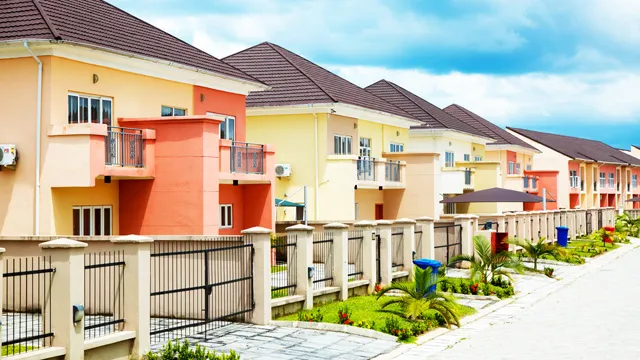
How Sports Facilities Increase Property and Estate Values
How Sports Facilities Increase Property and Estate Values
In today’s competitive real estate market, developers are constantly searching for ways to make their properties more attractive, increase demand, and maximize long-term returns. While amenities such as swimming pools, gardens, and clubhouses have traditionally been used to enhance property appeal, sports facilities are rapidly becoming one of the most valuable additions to residential estates, commercial developments, schools, and mixed-use communities.
From football pitches and basketball courts to tennis courts, padel courts, jogging tracks, and multi-sport complexes, sports infrastructure has proven to be a powerful driver of property value. Beyond providing recreational opportunities, these facilities create healthier communities, attract buyers and tenants, and improve the overall marketability of a development.
This article explores how sports facilities increase property and estate values and why developers across Africa are investing in sports infrastructure.
The Growing Demand for Lifestyle Communities
Modern homebuyers and tenants are no longer looking for just a house or office space—they are looking for a lifestyle.
People increasingly prefer developments that offer:
- Recreational opportunities
- Fitness and wellness amenities
- Safe community spaces
- Family-friendly environments
- Opportunities for social interaction
Sports facilities help meet these expectations by creating active and engaging communities.
As a result, properties within developments that offer quality sports amenities often command higher prices than similar properties without them.
Sports Facilities Enhance Property Appeal
First impressions play a significant role in real estate sales.
A well-designed sports facility can make a development stand out immediately.
Potential buyers are often attracted by features such as:
- Football pitches
- Basketball courts
- Tennis courts
- Padel courts
- Fitness zones
- Walking and jogging trails
These amenities create the perception of a modern, premium development.
For developers, this enhanced appeal can lead to:
- Faster property sales
- Increased buyer interest
- Reduced vacancy rates
Increased Property Values
Numerous studies around the world have shown that recreational and sports amenities can positively influence property values.
Properties located within communities that offer sports facilities often benefit from:
Higher Sale Prices
Buyers are generally willing to pay more for homes that provide convenient access to sports and recreational amenities.
Stronger Rental Demand
Tenants increasingly prioritize developments that support healthy lifestyles.
Better Long-Term Appreciation
Communities with quality amenities often maintain their attractiveness over time.
As demand grows, property values tend to increase accordingly.
Sports Facilities Create Competitive Advantage
In many urban areas, multiple estates compete for the same buyers and tenants.
Sports infrastructure helps differentiate a development from competitors.
For example:
A residential estate with:
- A football pitch
- Basketball court
- Tennis court
- Fitness area
is likely to attract more attention than an estate offering only basic amenities.
This competitive advantage can lead to:
- Higher occupancy rates
- Stronger brand reputation
- Greater market demand
Supporting Health and Wellness Trends
Health and wellness have become major priorities for many families and professionals.
Residents increasingly seek environments that encourage:
- Physical activity
- Outdoor recreation
- Community engagement
Sports facilities make it easier for residents to maintain active lifestyles without leaving their communities.
This convenience adds significant perceived value to the property.
Increased Demand From Families
Families with children often place a high value on recreational facilities.
Sports amenities provide:
- Safe places for children to play
- Opportunities for youth development
- Social interaction among residents
Parents are more likely to choose communities where their children can participate in sports and outdoor activities.
This increased family demand can positively affect both property sales and rental income.
Community Building and Social Interaction
One of the most overlooked benefits of sports facilities is their ability to strengthen communities.
Sports venues naturally encourage:
- Social interaction
- Community events
- Friendly competitions
- Networking opportunities
Stronger communities often experience:
- Higher resident satisfaction
- Better retention rates
- Reduced turnover
A thriving community environment can enhance the reputation and value of an entire development.
Sports Facilities Attract Premium Buyers
High-quality sports amenities often appeal to premium market segments.
Examples include:
Tennis Courts
Frequently associated with luxury developments.
Padel Courts
Increasingly popular among affluent professionals.
Multi-Sport Complexes
Appeal to active families and sports enthusiasts.
These amenities can help developers position their projects as premium offerings and justify higher property prices.
Improved Marketability for Developers
Marketing properties becomes easier when attractive sports facilities are available.
Sports amenities provide strong visual appeal for:
- Advertising campaigns
- Property brochures
- Digital marketing
- Social media promotions
Images of modern sports facilities often help create emotional connections with potential buyers.
This can accelerate sales and improve marketing effectiveness.
Benefits for Commercial and Mixed-Use Developments
Sports facilities are not only valuable in residential estates.
Commercial developments can also benefit significantly.
Office Parks
Fitness and recreational amenities improve employee well-being and satisfaction.
Hotels and Resorts
Sports facilities enhance guest experiences and increase occupancy rates.
Mixed-Use Developments
Sports infrastructure helps create vibrant, destination-oriented environments.
These benefits contribute to higher property values and stronger commercial performance.
Supporting Sustainable Urban Development
Sports infrastructure contributes to healthier and more sustainable cities.
Benefits include:
- Encouraging active transportation
- Promoting physical activity
- Reducing sedentary lifestyles
- Enhancing quality of life
Developments that support sustainability and wellness often attract stronger investor and consumer interest.
Revenue Opportunities for Estate Managers
In addition to increasing property values, sports facilities can generate direct income.
Potential revenue sources include:
- Membership fees
- Court rentals
- Coaching programs
- Sports tournaments
- Event hosting
- Sponsorship opportunities
These additional income streams can help offset maintenance costs and improve the financial performance of the development.
Common Sports Facilities That Add Value
The most impactful facilities often include:
Football Pitches
Popular across all demographics.
Basketball Courts
Require relatively small space and support multiple age groups.
Tennis Courts
Associated with premium developments.
Padel Courts
Fast-growing and highly attractive to younger professionals.
Jogging Tracks
Appeal to health-conscious residents.
Outdoor Fitness Areas
Provide affordable wellness solutions.
The ideal mix depends on the target market and available space.
Key Considerations for Developers
To maximize value, sports facilities should be:
Professionally Designed
Poor-quality facilities may become liabilities rather than assets.
Properly Maintained
Maintenance directly affects user satisfaction and long-term value.
Accessible
Facilities should be easy for residents to use.
Integrated Into the Master Plan
Sports amenities should complement the overall development design.
Strategic planning ensures the facilities contribute positively to property values.
The Future of Sports Infrastructure in Real Estate
As urbanization continues across Africa, demand for lifestyle-focused developments is expected to increase.
Future trends may include:
- Smart sports facilities
- Integrated wellness centers
- Multi-sport complexes
- Community fitness hubs
- Technology-enabled recreational spaces
Developers who embrace these trends may gain significant competitive advantages in the years ahead.
Conclusion
Sports facilities are no longer optional amenities—they are increasingly becoming essential components of successful real estate developments.
By enhancing lifestyle appeal, promoting health and wellness, attracting families and premium buyers, and creating stronger communities, sports infrastructure can significantly increase property and estate values.
Whether it is a football pitch, basketball court, tennis court, padel court, or multi-sport complex, well-designed sports facilities help developers differentiate their projects, improve marketability, and generate stronger financial returns.
For real estate developers, estate managers, and investors, investing in sports infrastructure is not simply an investment in recreation—it is an investment in long-term property value, community growth, and sustainable development.