

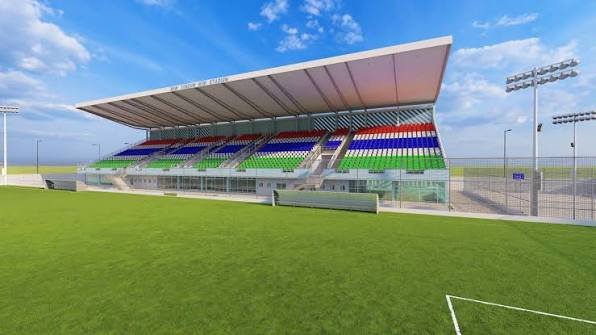
How to Finance a Sports Facility Project Without Government Funding
How to Finance a Sports Facility Project Without Government Funding
Sports facility development is often associated with large budgets and government-backed infrastructure projects. However, across Africa—especially in Nigeria—many successful sports complexes, football pitches, basketball courts, tennis facilities, and multi-sport centers are built without any direct government funding.
The key is understanding that sports infrastructure is not just a construction project—it is a business asset. Once you treat it as an income-generating investment, multiple financing options become available.
This guide explains practical and realistic ways to finance a sports facility project without relying on government funding.
1. Private Equity and Individual Investors
One of the strongest financing options is private investment.
Who to target:
- High-net-worth individuals (HNIs)
- Real estate investors
- Sports enthusiasts
- Business partners
- Diaspora investors
How it works:
Investors provide capital in exchange for:
- Equity ownership
- Profit-sharing agreements
- Revenue participation
Why it works:
Sports facilities generate income through:
- Pitch rentals
- Memberships
- Tournaments
- Coaching programs
- Sponsorship deals
Investors are more likely to fund projects with clear revenue potential.
2. Public-Private Partnerships (PPP without full government funding)
Even without direct funding, governments can still support projects indirectly.
Possible support includes:
- Land allocation
- Approvals and permits
- Tax incentives (in some cases)
Structure:
Private investors fund construction while:
- Government provides land or policy support
- Operator manages facility operations
This reduces initial capital burden significantly.
3. Corporate Sponsorship and Brand Partnerships
Corporations are major drivers of sports infrastructure funding.
Potential sponsors:
- Banks
- Telecom companies
- Oil & gas companies
- FMCG brands
- Insurance companies
- Betting companies (where applicable)
What sponsors get:
- Naming rights (e.g., “XYZ Sports Arena”)
- Advertising boards
- Branding on jerseys and courts
- Event sponsorship opportunities
Why companies invest:
They use sports facilities for:
- Brand visibility
- Community engagement
- CSR (Corporate Social Responsibility)
A well-packaged sponsorship proposal can fund a large portion of construction costs.
4. Pre-Sales and Membership Funding Model
This is one of the most underrated financing strategies.
How it works:
You raise money before construction is completed by selling:
- Annual memberships
- Court booking packages
- Academy registrations
- Lifetime access passes
Example:
- 100 members pay ₦200,000 each = ₦20 million upfront capital
Benefits:
- Immediate cash flow
- Community ownership
- Guaranteed user base after completion
This model works very well for:
- Estate sports facilities
- Private sports clubs
- Community pitches
5. Anchor Tenants (Schools, Academies, Clubs)
Anchor tenants are long-term users who commit early.
Examples:
- Schools signing PE usage contracts
- Football academies renting training space
- Fitness clubs operating within the facility
How it helps:
- Provides predictable income
- Makes the project bankable
- Reduces investment risk
Developers often secure anchor tenants before construction begins.
6. Sports Academies and Franchise Partnerships
Sports academies can be powerful financing partners.
Models:
- Revenue-sharing agreements
- Joint venture development
- Facility leasing partnerships
Example:
A football academy may:
- Fund part of construction
- Operate training programs
- Share revenue from players and events
This model is especially effective for football-focused facilities.
7. Crowdfunding and Community Investment
Communities can collectively fund sports projects.
Methods:
- Online crowdfunding platforms
- Community association contributions
- Alumni networks (schools and universities)
- Diaspora fundraising
Benefits:
- Strong community ownership
- High emotional investment
- Easier fundraising for local projects
Example:
A community raises funds to build:
- A football pitch
- Basketball court
- Multi-use sports field
This approach is common in grassroots sports development.
8. Real Estate Developer Integration
Sports facilities can be embedded into real estate developments.
How it works:
Developers finance sports infrastructure as part of:
- Residential estates
- Mixed-use developments
- Luxury housing projects
Why it works:
Sports facilities:
- Increase property value
- Improve sales speed
- Enhance lifestyle appeal
In many cases, sports infrastructure is indirectly financed through property sales.
9. Bank Loans and Commercial Financing
Although more difficult, traditional financing is still possible.
Requirements:
- Strong business plan
- Revenue projections
- Collateral or guarantees
- Existing contracts or anchor tenants
Best use cases:
- Established operators
- Developers with track records
- Projects with secured contracts
Banks prefer projects with predictable cash flow.
10. Revenue-Backed Financing (Self-Liquidating Projects)
This model uses projected income to fund construction.
Revenue sources include:
- Court bookings
- Membership fees
- Event hosting
- Advertising rights
- Coaching programs
Concept:
Future income is used to justify and repay initial construction funding.
This model works best when:
- Demand is already proven
- Location is strong
- Pricing strategy is realistic
11. Sports Event and Tournament Funding
Large tournaments can be used to attract funding.
Examples:
- Corporate football leagues
- School competitions
- Community championships
Funding benefits:
- Sponsorship deals
- Entry fees
- Media partnerships
Events increase visibility and attract investors.
12. Equipment Leasing and Phased Construction
Instead of building everything at once, developers can:
Phase 1:
- Build basic pitch or court
Phase 2:
- Add fencing and lighting
Phase 3:
- Add seating, clubhouse, and additional courts
Financing benefit:
- Lower initial capital requirement
- Revenue from early usage funds expansion
Key Principles for Successful Financing
To successfully finance a sports facility without government funding, developers should focus on:
1. Treating the project as a business
Not just infrastructure.
2. Proving demand
Investors want evidence of usage potential.
3. Diversifying income streams
Multiple revenue sources increase funding confidence.
4. Securing early commitments
Pre-sales and anchor tenants reduce risk.
5. Strong project presentation
Professional proposals attract serious investors.
Common Mistakes to Avoid
- Relying on a single funding source
- Poor feasibility analysis
- No clear revenue model
- Ignoring maintenance costs
- Weak investor presentations
- Overestimating demand
These mistakes often lead to funding failure or project abandonment.
Conclusion
Financing a sports facility without government funding is not only possible—it is increasingly the norm across Africa’s growing sports infrastructure sector.
Successful projects combine multiple funding sources such as:
- Private investors
- Corporate sponsorships
- Pre-sales and memberships
- Anchor tenants
- Community funding
- Real estate integration
When properly structured, a sports facility becomes more than a construction project—it becomes a self-sustaining investment ecosystem that generates revenue, attracts stakeholders, and delivers long-term community value.
With the right strategy, developers can build world-class sports infrastructure without waiting for government intervention, while still achieving strong financial returns and social impact.