

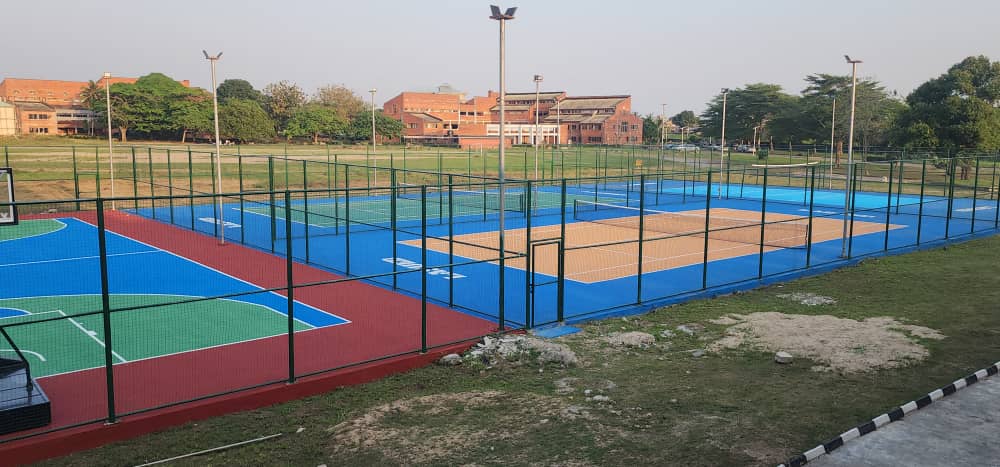
How to Design a Profitable Multi-Sport Facility in Urban Areas
How to Design a Profitable Multi-Sport Facility in Urban Areas
Urban areas across Africa—especially cities like Lagos, Abuja, Accra, Nairobi, and Johannesburg—are experiencing rapid population growth, limited land availability, and increasing demand for recreational and sports facilities. At the same time, lifestyles are becoming more fitness-focused, youth participation in sports is rising, and real estate developers are competing to offer lifestyle amenities that attract tenants and buyers.
In this environment, multi-sport facilities have emerged as one of the most profitable and sustainable sports infrastructure investments. Unlike single-purpose fields, a well-designed multi-sport facility can host football, basketball, tennis, volleyball, fitness activities, and community events—all within the same space.
However, profitability does not happen by accident. It depends on smart design, strategic planning, and efficient operations.
This guide explains how to design a profitable multi-sport facility in urban areas, step by step.
1. Start With Market and Location Analysis
Before designing anything, you must understand the market demand.
A profitable facility begins with answering key questions:
- Who will use the facility?
- What sports are most popular in the area?
- What is the spending power of the community?
- How far are competing facilities?
Ideal Urban Locations:
- High-density residential areas
- School clusters
- University communities
- Commercial districts
- Estate developments
- Mixed-use developments
Key Insight:
In urban sports business, location determines 50% of profitability.
A poorly located facility struggles even with great design.
2. Choose a Flexible Multi-Sport Layout
A multi-sport facility should maximize land usage and adaptability.
Instead of building separate full-sized fields, smart designs use shared surfaces and modular markings.
Common Multi-Sport Combinations:
- Football + Basketball + Volleyball
- Mini football pitch + padel courts + fitness zone
- Basketball court + futsal + event space
Design Principle:
One surface, multiple uses = higher revenue potential
A flexible layout allows the facility to host different activities throughout the day.
3. Optimize Space Usage (Urban Efficiency Design)
Urban land is expensive, so efficiency is critical.
A profitable design prioritizes:
- Compact layouts
- Vertical fencing systems
- Multi-use zones
- Minimal wasted space
Example Layout Strategy:
- Center: Mini football pitch or synthetic turf field
- Side zones: Basketball courts or tennis courts
- Corners: Fitness stations or padel courts
- Perimeter: Walking paths or seating areas
Every square meter should generate value or enhance user experience.
4. Select the Right Playing Surfaces
Surface selection affects durability, maintenance, and revenue.
Recommended Surfaces:
Artificial Turf (Football & Multi-use)
- High durability
- Year-round usage
- Low maintenance
Acrylic Sports Flooring (Basketball/Tennis)
- Smooth performance
- Weather resistance
- Professional appearance
Rubber Flooring (Fitness Areas)
- Safety-focused
- Shock absorption
- Injury prevention
Key Principle:
Invest in surfaces that can withstand high usage and multiple sports activities.
5. Design for High User Capacity and Flow
A profitable facility must handle multiple users at the same time.
Key Design Elements:
- Multiple entry and exit points
- Clear walking paths
- Separate zones for different sports
- Waiting areas for teams
- Spectator seating zones
Poor flow design leads to congestion and reduces user experience.
Good flow design increases:
- Booking frequency
- Customer satisfaction
- Retention rates
6. Install Proper Lighting for Extended Operating Hours
Lighting directly impacts revenue.
Facilities that operate only during daylight lose income potential.
Benefits of LED Sports Lighting:
- Night-time usage
- Extended booking hours
- Energy efficiency
- Better visibility and safety
Profit Strategy:
More hours of operation = more revenue per day
Urban facilities should aim for full-day usage (morning to night).
7. Integrate Revenue-Generating Add-Ons
A profitable multi-sport facility is more than just courts.
High-Income Additions:
- Cafeteria or lounge
- Sports equipment rental shop
- Changing rooms and lockers
- Event space
- Coaching academy offices
These extras create multiple income streams beyond court rentals.
8. Include Smart Booking and Payment Systems
Technology improves efficiency and profitability.
Features to Integrate:
- Online booking system
- Mobile payments
- Membership subscriptions
- Automated scheduling
- Real-time availability tracking
Benefits:
- Reduces manual management
- Prevents double bookings
- Increases customer convenience
- Improves revenue tracking
Smart systems help facilities operate like modern sports businesses, not just physical spaces.
9. Design for Mixed Revenue Models
A successful facility does not rely on one income stream.
Revenue Sources:
- Hourly pitch/court rentals
- Membership plans
- Coaching programs
- School partnerships
- Corporate bookings
- Tournaments and events
- Sponsorship and advertising
Key Insight:
Diversified income = financial stability
Facilities that rely only on rentals often struggle during off-peak seasons.
10. Prioritize Security and Safety Design
Safety affects both reputation and profitability.
Essential Features:
- Perimeter fencing
- Controlled access points
- CCTV surveillance
- Emergency access routes
- Proper drainage systems
A safe facility attracts:
- Schools
- Families
- Corporate clients
Poor safety design reduces customer trust and usage.
11. Design for Easy Maintenance
Maintenance costs can destroy profitability if not planned early.
Smart Design Choices:
- Durable materials
- Easy-to-clean surfaces
- Accessible drainage systems
- Modular repair zones
Key Principle:
Lower maintenance = higher long-term profit
Facilities should be designed so maintenance does not interrupt operations.
12. Build a Strong Branding and Identity Space
Modern sports facilities are also lifestyle brands.
Branding Opportunities:
- Facility name signage
- Court naming rights
- Sponsorship boards
- Murals and design themes
A strong brand:
- Attracts corporate sponsors
- Builds community loyalty
- Increases perceived value
13. Plan for Expansion from Day One
A profitable facility should be scalable.
Expansion Options:
- Adding padel courts
- Expanding seating areas
- Adding new sports zones
- Building indoor courts
- Creating training academies
Key Strategy:
Design the layout so future expansion does not require demolition or redesign.
14. Focus on User Experience (UX Design)
User experience determines repeat usage.
Key UX Elements:
- Clean environment
- Comfortable seating
- Restrooms and changing rooms
- Shade and relaxation areas
- Easy booking process
Happy users = repeat customers = stable income.
15. Use Data to Improve Operations
Modern facilities rely on data-driven decisions.
Track:
- Peak usage hours
- Most popular sports
- Revenue per court
- Customer retention rates
This helps optimize pricing and scheduling.
Common Mistakes to Avoid
Many investors lose profitability due to poor planning.
Mistakes include:
- Overcrowding the layout
- Ignoring lighting systems
- Poor drainage design
- No digital booking system
- Lack of maintenance planning
- Building only for one sport
Avoiding these mistakes significantly improves returns.
Conclusion
Designing a profitable multi-sport facility in urban areas requires more than just building courts—it requires strategic planning, efficient land use, strong infrastructure design, and smart business thinking.
The most successful facilities combine:
- Flexible sports layouts
- Durable playing surfaces
- Smart lighting systems
- Multiple revenue streams
- Strong branding and user experience
- Technology-driven operations
In fast-growing urban environments, multi-sport facilities are not just recreational spaces—they are high-performing commercial assets that can generate consistent income while supporting community development and youth engagement.
For investors, schools, and developers, the opportunity is clear: with the right design approach, a multi-sport facility can become one of the most sustainable and scalable sports business models in Africa.