

Padel Court Construction: Costs, Design, and Business Opportunities
Padel Court Construction: Costs, Design, and Business Opportunities
Padel is one of the fastest-growing sports in the world, and its popularity is beginning to spread across Africa, including Nigeria, Ghana, Kenya, South Africa, and other emerging markets. Combining elements of tennis and squash, padel is easy to learn, highly social, and suitable for players of all ages and skill levels.
As participation increases, investors, real estate developers, sports entrepreneurs, hotels, schools, and recreational facility owners are exploring the opportunity to build padel courts and establish profitable padel clubs.
But how much does a padel court cost to build? What design considerations should be taken into account? And is it a viable business opportunity in Africa?
This guide covers everything you need to know about padel court construction, costs, design requirements, and revenue opportunities.
What Is a Padel Court?
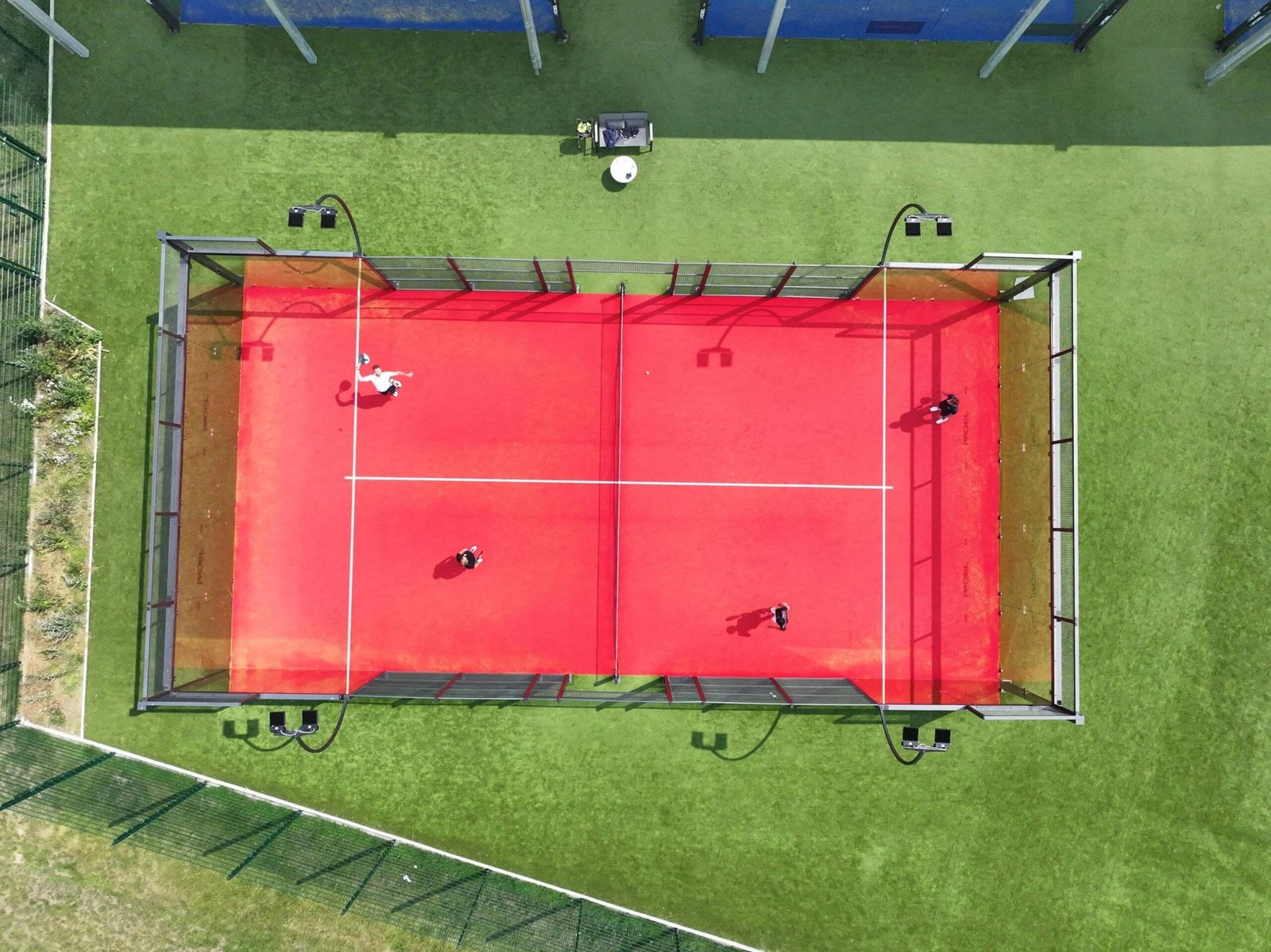
Padel is typically played in doubles on an enclosed court surrounded by glass walls and metal mesh fencing.
A standard padel court measures:
- 20 meters long
- 10 meters wide
The court is enclosed by:
- Tempered glass panels
- Galvanized steel mesh fencing
The playing surface is usually:
- Artificial turf
- Synthetic sports grass
Compared to a tennis court, a padel court occupies significantly less space, making it attractive for urban developments and commercial sports facilities.
Why Is Padel Growing So Fast?
Several factors explain the rapid rise of padel worldwide:
Easy to Learn
Unlike tennis, beginners can quickly enjoy the game.
Social Experience
Padel is almost always played in doubles, encouraging interaction and community building.
Smaller Space Requirements
Developers can fit multiple padel courts into areas that would accommodate only one tennis court.
Broad Market Appeal
The sport attracts:
- Young professionals
- Families
- Corporate groups
- Students
- Fitness enthusiasts
These advantages make padel clubs highly attractive as commercial sports ventures.
Why Padel Has Potential in Nigeria and Africa
Several market trends support future growth.
Growing Middle-Class Population
Increasing disposable income is driving demand for:
- Premium recreational experiences
- Sports clubs
- Wellness activities
Expansion of Lifestyle Communities
Modern estates increasingly include:
- Tennis courts
- Basketball courts
- Swimming pools
Padel courts fit perfectly into this trend.
Corporate and Social Networking Culture
Padel is becoming popular globally as a business networking activity.
In major African cities, professionals are increasingly seeking active social experiences outside traditional gyms.
Limited Competition
Because the sport is still emerging, early investors have an opportunity to establish strong market positions.
Types of Padel Court Projects
Commercial Padel Clubs
These facilities typically include:
- Multiple courts
- Reception area
- Café or lounge
- Pro shop
- Locker rooms
Their goal is maximizing membership and court rental revenue.
Residential Estate Courts
Luxury estates increasingly use padel courts as premium amenities.
Benefits include:
- Increased property value
- Enhanced resident experience
- Modern branding
Hotel and Resort Facilities
Hotels can attract guests by offering recreational sports facilities.
Padel courts are becoming popular additions to:
- Resorts
- Wellness retreats
- Holiday destinations
School and University Facilities
Educational institutions can use padel courts to diversify sports programs and attract students.
Components of a Standard Padel Court
A professionally constructed court includes several elements.
Foundation and Sub-Base
The foundation supports the entire structure.
Typically consists of:
- Excavated ground
- Compacted sub-base
- Reinforced concrete slab
Proper foundation design prevents future settlement and structural problems.
Artificial Turf Surface
Most padel courts use synthetic turf.
Benefits include:
- Consistent ball bounce
- Reduced maintenance
- Professional appearance
Common colors include:
- Blue
- Green
- Terracotta
Glass Walls
Tempered glass walls are one of the defining features of padel.
Functions include:
- Ball rebound
- Visibility
- Spectator engagement
Glass thickness typically ranges from 10–12 mm.
Steel Mesh Structure
Galvanized steel mesh surrounds portions of the court.
The structure provides:
- Durability
- Ball containment
- Player safety
Lighting System
Commercial courts typically include LED floodlighting.
Benefits:
- Night play
- Increased revenue potential
- Reduced energy consumption
Padel Court Construction Process
Step 1: Site Assessment
Engineers evaluate:
- Soil conditions
- Drainage requirements
- Accessibility
- Utility availability
Step 2: Design and Planning
This phase determines:
- Court layout
- Orientation
- Lighting placement
- Drainage systems
Step 3: Earthworks and Foundation Construction
The site is:
- Cleared
- Excavated
- Leveled
- Stabilized
Concrete foundations are then installed.
Step 4: Drainage Installation
Proper drainage prevents:
- Water accumulation
- Surface deterioration
- Structural damage
Drainage systems are critical in regions with heavy rainfall.
Step 5: Structural Installation
Contractors install:
- Glass walls
- Steel framework
- Perimeter fencing
Step 6: Turf Installation
The synthetic turf is installed and secured.
Infill materials are added to improve performance and durability.
Step 7: Lighting and Finishing
Final elements include:
- LED lights
- Net systems
- Branding
- Seating areas
The facility is then tested before opening.
How Much Does It Cost to Build a Padel Court in Nigeria?
Costs vary depending on:
- Material quality
- Importation costs
- Site conditions
- Number of courts
- Supporting infrastructure
Estimated 2026 cost ranges:
| Facility Type | Estimated Cost (₦) |
|---|---|
| Basic Single Court | ₦35M – ₦60M |
| Premium Single Court | ₦60M – ₦90M |
| Two-Court Facility | ₦80M – ₦150M |
| Four-Court Commercial Club | ₦180M – ₦400M+ |
| Premium Padel Club with Amenities | ₦500M+ |
Costs typically include:
- Site preparation
- Foundation works
- Turf system
- Glass walls
- Steel structure
- Lighting
Additional facilities increase project budgets.
Revenue Opportunities in Padel Business
One reason investors are attracted to padel is its strong earning potential.
Court Rentals
Hourly court bookings are the primary revenue source.
Many clubs operate:
- Morning sessions
- Evening sessions
- Weekend bookings
High utilization rates can generate significant income.
Membership Programs
Recurring memberships create predictable revenue.
Options include:
- Monthly plans
- Annual subscriptions
- Corporate memberships
Coaching Services
Facilities can offer:
- Beginner lessons
- Advanced coaching
- Youth training programs
Coaching generates additional revenue while growing participation.
Tournaments and Events
Padel tournaments attract:
- Players
- Sponsors
- Spectators
Events help increase facility visibility and profitability.
Food and Beverage Sales
Many successful padel clubs include:
- Cafés
- Juice bars
- Restaurants
These services increase customer spending and improve the overall experience.
Corporate Packages
Businesses increasingly seek sports-based networking opportunities.
Padel facilities can host:
- Team-building events
- Corporate leagues
- Networking tournaments
Factors That Influence Profitability
Several variables determine business success.
Location
Prime locations near affluent residential and commercial districts typically perform better.
Court Utilization
Higher booking rates increase revenue potential.
Facility Quality
Premium facilities attract more members and corporate clients.
Marketing and Community Building
Successful clubs often create strong communities through:
- Social events
- Leagues
- Coaching programs
- Digital engagement
Common Mistakes to Avoid
Many new investors make avoidable mistakes.
Choosing Poor Locations
Accessibility is critical.
Ignoring Drainage
Poor drainage leads to costly repairs.
Using Low-Quality Materials
Cheap materials often result in higher maintenance expenses.
Underestimating Operational Costs
Facilities require:
- Staffing
- Cleaning
- Maintenance
- Marketing
Building Without Market Research
Understanding local demand is essential before investing.
The Future of Padel in Africa
Padel is still in the early stages of development across much of Africa.
However, several factors suggest strong future growth:
- Urbanization
- Expanding middle class
- Increasing health awareness
- Demand for premium recreational experiences
- Growth of sports tourism
- Corporate wellness initiatives
As awareness increases, more developers are expected to integrate padel courts into residential, hospitality, and commercial projects.
Conclusion
Padel represents one of the most exciting emerging opportunities in Africa’s sports infrastructure sector. Its combination of accessibility, social appeal, relatively compact space requirements, and strong revenue potential makes it attractive to investors, developers, schools, and hospitality operators.
While construction costs can be significant, a well-designed and professionally managed padel facility can generate income through court rentals, memberships, coaching, tournaments, sponsorships, and hospitality services.
For entrepreneurs seeking to enter the sports business market, padel offers a unique opportunity to participate in a rapidly growing global sport while helping shape the future of recreation and wellness across Africa.
As the sport continues gaining momentum, early movers who invest in quality infrastructure, strong community engagement, and strategic locations are likely to benefit most from the growing demand for padel facilities.