

- By Sporthill International
- May 8, 2026
- 0 Comment
The Cost of Building a Standard Tennis Court in Nigeria (2026 Guide)
The Cost of Building a Standard Tennis Court in Nigeria (2026 Guide)
Tennis is experiencing steady growth in Nigeria, especially among schools, private estates, hotels, country clubs, sports academies, and recreational centers. As interest in wellness, premium sports facilities, and modern recreational infrastructure continues to rise, more investors and organizations are exploring tennis court construction projects.
However, one of the most common questions developers ask is:
“How much does it cost to build a standard tennis court in Nigeria in 2026?”
The answer depends on several factors including:
Court surface type
Location
Drainage requirements
Lighting systems
Fencing
Ground conditions
Imported materials
Contractor expertise
This guide breaks down the estimated cost of building a standard tennis court in Nigeria in 2026 and explains the major cost drivers involved.
What Is a Standard Tennis Court Size?
A standard full-size tennis court typically requires an overall area of approximately:
36.6m x 18.3m
Around 670–700 square meters including run-off areas
Most professional tennis court projects also include:
Fencing
Lighting
Drainage systems
Seating areas
Surface coatings
Net systems
International court construction references estimate full tennis court projects globally between roughly $40,000–$100,000+, depending on materials and features. (HomeGuide)
In Nigeria, actual costs vary based on exchange rates, material importation, labor, and infrastructure requirements.
Estimated Tennis Court Construction Cost in Nigeria (2026)
Below are realistic estimated ranges for a professionally built standard outdoor tennis court in Nigeria.
| Court Type | Estimated Cost Range (₦) |
|---|---|
| Basic Concrete Recreational Court | ₦18M – ₦30M |
| Acrylic Hard Court | ₦28M – ₦45M |
| Cushioned Acrylic Court | ₦35M – ₦55M |
| Synthetic Grass Tennis Court | ₦40M – ₦70M |
| Clay Court | ₦45M – ₦80M+ |
| Premium Tournament-Level Court | ₦70M – ₦150M+ |
These estimates typically include:
Site preparation
Base construction
Surface installation
Line markings
Net posts
Basic fencing
Drainage systems
Costs increase significantly when adding:
Floodlights
Covered roofing
Spectator seating
Clubhouse facilities
Premium imported materials
The global cost trends for tennis courts in 2026 similarly show acrylic and synthetic systems dominating modern construction because of durability and reduced maintenance.
Major Factors That Affect Tennis Court Costs in Nigeria
1. Court Surface Type
The court surface is the biggest cost determinant.
Acrylic Hard Court
This is the most popular option in Nigeria because it offers:
Durability
Professional appearance
Lower maintenance
Good ball performance
Acrylic systems are commonly installed over asphalt or concrete bases. Global installation reports show acrylic systems remain among the most economical long-term tennis surfaces. (Tennis Flooring)
Estimated Nigerian Cost:
₦28M – ₦45M
Cushioned Acrylic Courts
These are premium versions of acrylic courts with additional shock-absorbing layers.
Advantages:
Reduced stress on joints
Better player comfort
Higher professional standard
Estimated Nigerian Cost:
₦35M – ₦55M
Synthetic Grass Courts
Synthetic grass courts are becoming increasingly popular for:
Estates
Hotels
Recreational centers
Multi-purpose sports facilities
Advantages:
Attractive appearance
Lower maintenance than natural grass
Year-round usability
However, installation quality is extremely important. Poorly installed turf systems often develop drainage and durability issues. (Reddit)
Estimated Nigerian Cost:
₦40M – ₦70M
Clay Courts
Clay courts are less common in Nigeria due to:
Higher maintenance requirements
Water demand
Specialized upkeep
However, they are highly valued for:
Slower gameplay
Reduced joint impact
Professional training environments
Clay surfaces require regular maintenance and grooming. (HomeGuide)
Estimated Nigerian Cost:
₦45M – ₦80M+
2. Site Preparation and Ground Conditions
Before construction begins, the site must be:
Cleared
Leveled
Excavated
Stabilized
Ground conditions heavily affect costs.
Poor soil conditions may require:
Soil replacement
Additional compaction
Retaining structures
Extra drainage work
Industry construction reports show poor site conditions can add substantial unexpected costs to tennis projects.
In Nigeria, flood-prone or swampy areas such as parts of Lagos may require significant ground stabilization.
3. Drainage Systems
Drainage is one of the most important aspects of tennis court construction in Africa.
Without proper drainage:
Water accumulates
Surface coatings fail
Cracks develop
Playing quality reduces
Professional drainage systems typically include:
Surface grading
Perimeter drains
Subsurface water channels
Soakaway systems
Several tennis construction guides emphasize that quality drainage is critical for long-term court lifespan. (Tennis Flooring)
Drainage installation in Nigeria can cost:
₦2M – ₦10M+ depending on terrain
4. Fencing Installation
Standard tennis courts require fencing for:
Safety
Ball containment
Professional appearance
Typical fence heights range between:
10–12 feet
Fence installation costs depend on:
Material quality
Height
Windscreen additions
Perimeter size
Estimated Nigerian Cost:
₦3M – ₦10M+
Global construction estimates similarly show fencing as a major cost component. (badminton court construction)
5. Lighting Systems
Floodlights are essential for:
Evening games
Commercial rentals
Tournament hosting
Extended facility usage
LED sports lighting is increasingly preferred because it:
Reduces electricity costs
Improves visibility
Requires less maintenance
Lighting installation costs in Nigeria vary depending on:
Pole height
Number of fixtures
Generator or solar backup systems
Estimated Cost:
₦5M – ₦20M+
International estimates also show lighting can become one of the most expensive add-ons for tennis facilities. (Kadho Sports)
6. Roofing and Indoor Court Systems
Covered tennis courts are still relatively rare in Nigeria because of their high cost.
Indoor or semi-covered systems significantly increase project expenses due to:
Steel structures
Roofing systems
Ventilation requirements
Structural engineering
However, covered courts offer:
All-weather play
Premium facility branding
Higher commercial rental value
Estimated Additional Cost:
₦30M – ₦150M+
Some discussions within tennis facility communities note that roofing often becomes one of the largest single expenses in tennis facility development. (Reddit)
7. Imported Materials and Exchange Rates
Many tennis court materials in Nigeria are imported, including:
Acrylic coatings
Sports flooring chemicals
Turf systems
Nets
Lighting systems
Specialized fencing materials
As a result, exchange rate fluctuations directly affect project pricing.
Nigeria’s rising construction material costs in 2026 continue impacting sports infrastructure development broadly. (BizWatchNigeria.Ng)
Estimated Cost Breakdown for a Standard Acrylic Tennis Court in Nigeria
| Component | Estimated Cost (₦) |
|---|---|
| Site Preparation | ₦3M – ₦8M |
| Earthworks & Base Construction | ₦5M – ₦12M |
| Concrete/Asphalt Base | ₦6M – ₦15M |
| Acrylic Surface System | ₦4M – ₦10M |
| Drainage Installation | ₦2M – ₦8M |
| Fencing | ₦3M – ₦10M |
| Net & Accessories | ₦500K – ₦2M |
| Lighting | ₦5M – ₦20M |
| Professional Labor & Finishing | ₦2M – ₦8M |
Estimated Total:
₦28M – ₦55M+
Ways to Reduce Tennis Court Construction Costs
Build in Phases
Developers can reduce financial pressure by building gradually:
Court base
Surface installation
Fencing
Lighting
Seating and landscaping
Use Multi-Purpose Designs
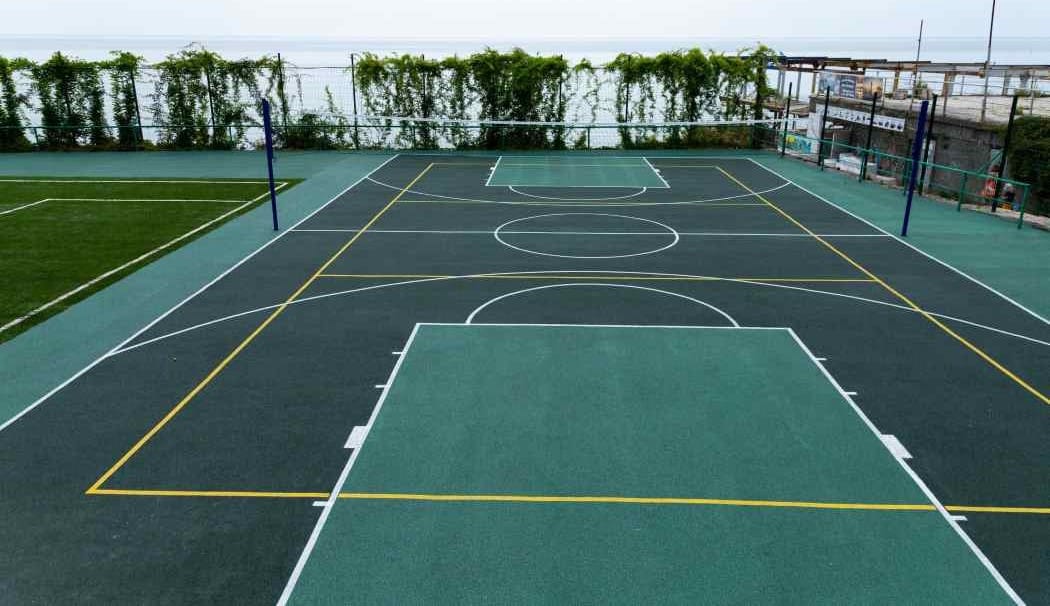
Some facilities combine:
Tennis
Pickleball
Basketball
Volleyball
This improves:
Space utilization
Revenue potential
Facility flexibility
Prioritize Quality Groundwork
Many cheap tennis courts fail because contractors cut costs on:
Drainage
Sub-base preparation
Compaction
Experts consistently emphasize that the invisible groundwork determines the lifespan of the court. (Tennis Court Resurfacing & Installation)
Is Building a Tennis Court Profitable in Nigeria?
Tennis facilities can generate revenue through:
Hourly rentals
Memberships
Coaching
Tournaments
Corporate events
School partnerships
Demand is increasing particularly in:
Lagos
Abuja
Port Harcourt
High-income estates
Universities
Private clubs
However, profitability depends heavily on:
Location
Facility quality
Maintenance
Marketing
Accessibility
Urban land costs remain one of the biggest challenges for tennis facility operators worldwide. (Reddit)
Conclusion
Building a standard tennis court in Nigeria in 2026 is a significant investment, but it also represents a growing opportunity within the country’s expanding sports and recreational industry.
Depending on the surface type and facility standard, developers should expect costs ranging from approximately:
₦18 million for basic courts
To well above ₦100 million for premium tournament-grade facilities
The most important factors influencing project success include:
Proper site preparation
Quality drainage
Durable surface systems
Professional construction expertise
Long-term maintenance planning
As demand for modern sports infrastructure continues growing across Nigeria, professionally built tennis facilities are likely to become increasingly valuable assets for schools, estates, clubs, hotels, and private investors.
“Contact Sporthill International for facilities construction.”
Ogunniyi Adeleke