

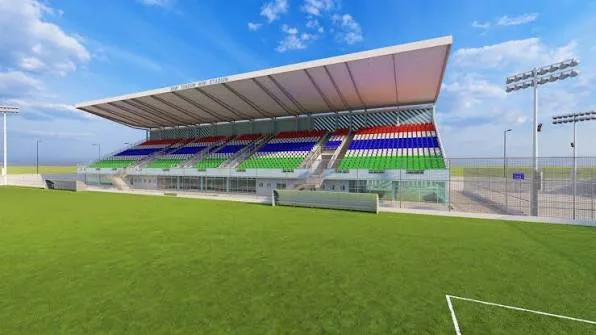
How NGOs and Communities Can Fund Sports Infrastructure Projects
How NGOs and Communities Can Fund Sports Infrastructure Projects
Sports infrastructure plays a critical role in community development. Well-designed football pitches, basketball courts, athletics tracks, multi-sport facilities, and recreational parks provide more than just places to play—they promote youth development, improve public health, foster social inclusion, reduce crime, and create opportunities for talent discovery.
However, one of the biggest challenges facing many communities and non-governmental organizations (NGOs) across Nigeria and Africa is funding. While the benefits of sports infrastructure are widely recognized, securing the financial resources needed to plan, build, and maintain these facilities can be difficult.
The good news is that communities and NGOs do not need to rely on a single funding source. Successful sports infrastructure projects are often financed through a combination of grants, partnerships, sponsorships, fundraising campaigns, and innovative financing models.
This guide explores practical ways NGOs and communities can fund sports infrastructure projects and turn their vision into reality.
Why Sports Infrastructure Matters for Communities
Before seeking funding, it is important to clearly communicate the value of the project.
Sports facilities help communities by:
- Providing safe spaces for youth
- Encouraging healthy lifestyles
- Supporting talent development
- Promoting social inclusion
- Reducing anti-social behavior
- Creating opportunities for community engagement
- Enhancing local pride and identity
Funders are more likely to support projects that demonstrate measurable social impact.
Start With a Clear Project Plan
One of the biggest reasons funding applications fail is poor planning.
Before approaching donors or sponsors, communities should prepare:
A Project Proposal
Include:
- Project objectives
- Target beneficiaries
- Location
- Estimated costs
- Expected outcomes
Site Information
Provide details about:
- Land availability
- Ownership status
- Accessibility
Budget Breakdown
Outline costs for:
- Design
- Construction
- Equipment
- Maintenance
Sustainability Plan
Explain how the facility will be maintained after completion.
A well-prepared proposal increases credibility and improves funding opportunities.
1. Apply for Grants
Grants are among the most common funding sources for NGO-led sports projects.
Potential grant providers include:
International Development Organizations
Many organizations support projects focused on:
- Youth development
- Education
- Community health
- Social inclusion
Sports Development Foundations
Sports-focused foundations often fund:
- Community pitches
- Youth sports programs
- Recreational facilities
Corporate Foundations
Many companies operate corporate social responsibility (CSR) programs that support community initiatives.
Successful grant applications usually demonstrate:
- Clear impact
- Community involvement
- Sustainability
- Accountability
2. Partner With Local Governments
Local governments often have an interest in improving sports infrastructure but may lack implementation capacity.
NGOs can collaborate by:
- Providing project management
- Mobilizing community support
- Securing additional funding
Government contributions may include:
- Land allocation
- Infrastructure support
- Regulatory approvals
- Partial funding
Public-community partnerships can significantly reduce project costs.
3. Engage Corporate Sponsors
Corporate sponsorship is one of the most effective funding methods for sports infrastructure.
Businesses often support projects that provide:
- Brand visibility
- Community goodwill
- CSR opportunities
Potential sponsors include:
- Banks
- Telecommunications companies
- Manufacturing firms
- Insurance companies
- Energy companies
In exchange for funding, sponsors may receive:
- Naming rights
- Advertising space
- Event sponsorship opportunities
- Community recognition
A professionally presented sponsorship package can attract significant support.
4. Launch Community Fundraising Campaigns
Communities often underestimate their ability to contribute financially.
Fundraising activities may include:
Donation Drives
Encouraging residents and supporters to contribute.
Charity Sports Events
Organizing:
- Football matches
- Basketball tournaments
- Fun runs
Benefit Concerts and Events
Combining entertainment and fundraising.
Crowdfunding Campaigns
Using online platforms to attract contributions from supporters worldwide.
Community participation increases ownership and long-term commitment to the project.
5. Leverage Diaspora Support
Many African communities have strong diaspora networks.
Former residents often maintain emotional connections to their hometowns and may be willing to support development projects.
Strategies include:
- Diaspora fundraising campaigns
- Community development associations
- Alumni networks
- International donor outreach
Diaspora funding has successfully financed schools, healthcare projects, and community infrastructure across Africa.
Sports facilities can benefit from similar approaches.
6. Partner With Schools and Educational Institutions
Schools often require sports facilities but may not have sufficient budgets to build them independently.
Community organizations can develop shared-use facilities through partnerships.
Benefits include:
- Shared construction costs
- Increased facility utilization
- Easier maintenance arrangements
A football pitch or multi-purpose court can serve both students and the broader community.
7. Seek International Sports Development Support
Several international organizations invest in grassroots sports development.
Funding opportunities often focus on:
- Youth participation
- Gender inclusion
- Community development
- Talent development
Projects that combine sports with education, health, or social impact objectives tend to attract greater support.
8. Utilize Public-Private Partnerships (PPPs)
Public-private partnerships involve collaboration between:
- Government agencies
- Private investors
- Community organizations
In a PPP model:
- Government may provide land
- Investors may fund construction
- NGOs may manage programming
This approach distributes costs and risks among multiple stakeholders.
PPP models are increasingly used for sports infrastructure development across Africa.
9. Attract Real Estate and Property Developers
Developers increasingly recognize the value of sports infrastructure.
Sports facilities can:
- Increase property values
- Improve community appeal
- Enhance residential developments
Communities can negotiate with developers to include sports facilities as part of broader development projects.
This is particularly effective in growing urban and suburban areas.
10. Generate Revenue Through Phased Development
Not every project needs to be completed at once.
A phased approach allows communities to build gradually.
Example:
Phase 1
- Basic football pitch
Phase 2
- Fencing
- Lighting
Phase 3
- Seating
- Changing rooms
Phase 4
- Additional sports facilities
Facilities can begin generating income before the entire project is completed.
Revenue Models That Support Long-Term Sustainability
Funders want assurance that facilities will remain operational after construction.
Potential revenue sources include:
Facility Rentals
- Football matches
- Training sessions
- Community events
Membership Programs
- Sports clubs
- Recreational users
Coaching Academies
- Youth development programs
- Skills training
Sponsorship Renewals
- Advertising partnerships
- Naming rights agreements
Event Hosting
- Tournaments
- Corporate events
- Community festivals
Sustainable revenue models strengthen funding proposals.
Common Mistakes to Avoid
Many community projects fail because of avoidable errors.
Lack of Community Engagement
Projects succeed when residents feel ownership.
Overestimating Available Funding
Start with realistic budgets and phased implementation.
Ignoring Maintenance Costs
Maintenance should be included in every funding plan.
Weak Financial Accountability
Transparent reporting builds trust with donors and sponsors.
Poor Project Planning
Detailed planning increases the likelihood of funding success.
Success Factors for Funding Sports Infrastructure
The most successful projects typically share these characteristics:
- Strong community support
- Clear social impact objectives
- Realistic budgets
- Sustainable business models
- Transparent governance
- Strategic partnerships
Funders are more likely to support projects that demonstrate long-term viability.
The Future of Community Sports Infrastructure in Africa
Demand for sports facilities is expected to increase as:
- Urban populations grow
- Youth populations expand
- Health awareness improves
- Sports participation rises
NGOs, community organizations, governments, and private investors all have important roles to play in meeting this demand.
Collaborative funding approaches will become increasingly important in delivering sustainable sports infrastructure.
Conclusion
Funding sports infrastructure projects may seem challenging, but it is achievable through strategic planning, strong partnerships, and diversified funding sources.
NGOs and communities can access funding through grants, government partnerships, corporate sponsorships, crowdfunding campaigns, diaspora support, public-private partnerships, and revenue-generating facility models.
The most successful projects are those that combine community ownership with professional planning and long-term sustainability strategies.
By investing in sports infrastructure, communities are not simply building pitches and courts—they are creating opportunities for youth development, healthier lifestyles, social cohesion, and economic growth.
With the right approach, even modest communities can transform their vision into a lasting sports legacy that benefits generations to come.