

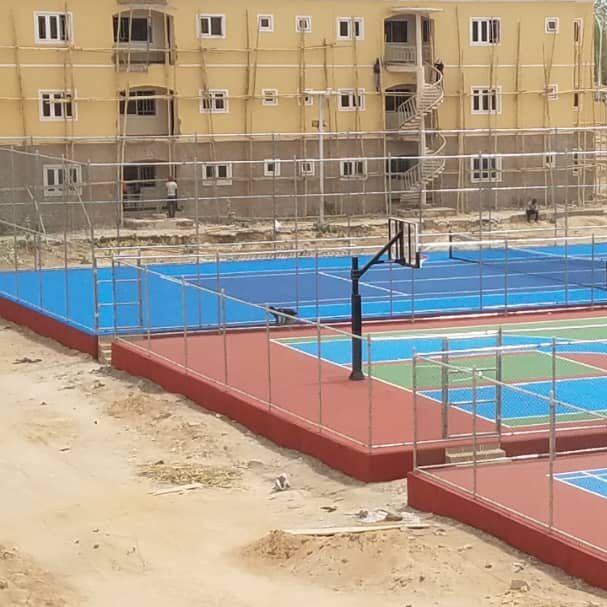
How to Design a Profitable Multi-Sport Facility in Urban Areas
How to Design a Profitable Multi-Sport Facility in Urban Areas
As cities across Nigeria and Africa continue to expand, the demand for quality sports and recreational facilities is growing rapidly. Urban residents are increasingly seeking places to exercise, socialize, compete, and engage in healthy lifestyles. At the same time, developers and investors are looking for projects that generate sustainable revenue while maximizing limited land resources.
This is where multi-sport facilities offer a significant opportunity.
Unlike single-purpose sports venues, multi-sport facilities accommodate multiple activities within one development, increasing utilization rates, attracting a broader customer base, and creating multiple revenue streams. When properly planned and managed, a multi-sport facility can become both a community asset and a profitable business.
This guide explores the key principles of designing a profitable multi-sport facility in urban areas.
Why Multi-Sport Facilities Are Growing in Popularity
Urban environments present unique challenges:
- Limited land availability
- Rising property costs
- Increasing population density
- Demand for diverse recreational activities
A multi-sport facility addresses these challenges by maximizing the use of available space.
Benefits include:
- Higher customer traffic
- Increased revenue opportunities
- Better land utilization
- Wider community appeal
- Reduced business risk through diversified services
Instead of relying on a single sport, facility owners can attract users interested in football, basketball, tennis, padel, fitness, athletics, and recreational activities.
Start With Market Research
Before designing the facility, it is essential to understand the target market.
Key questions include:
Who Are Your Primary Users?
Possible customer groups include:
- Schools
- Sports academies
- Corporate organizations
- Residential communities
- Youth groups
- Recreational athletes
Which Sports Are Most Popular?
Demand varies by location.
For example:
- Football may dominate in one area.
- Basketball and fitness may be more popular in another.
- High-income communities may support tennis and padel facilities.
Understanding local demand helps ensure the facility matches market needs.
Select the Right Location
Location is one of the most important factors affecting profitability.
Ideal locations include:
- High-density residential areas
- University districts
- Commercial centers
- Mixed-use developments
- Growing suburban communities
A good location should provide:
- Easy accessibility
- Adequate parking
- Strong visibility
- Safe surroundings
Facilities located near schools, estates, and business districts often experience higher utilization rates.
Maximize Land Efficiency
Urban land is expensive.
Every square meter should be designed to contribute to revenue generation or user experience.
Efficient Space Planning
Examples include:
- Multi-purpose courts
- Shared spectator areas
- Flexible event spaces
- Compact circulation routes
The goal is to eliminate wasted space while maintaining comfort and safety.
Incorporate Multiple Sports
A profitable facility should offer a mix of activities.
Common combinations include:
Football
Mini football pitches are particularly popular in urban areas.
Benefits:
- High demand
- Frequent bookings
- Strong tournament potential
Basketball
Basketball courts require relatively little space and support multiple user groups.
Tennis
Tennis appeals to schools, clubs, and professionals.
Padel
Padel is one of the fastest-growing sports globally and is gaining attention in Africa.
Volleyball
Suitable for schools, recreation centers, and community programs.
Fitness Zones
Outdoor gyms and functional fitness areas create additional revenue opportunities.
Offering multiple sports increases customer diversity and utilization rates.
Design Flexible and Multi-Use Spaces
Flexibility improves profitability.
Examples include:
Multi-Purpose Courts
A single court can accommodate:
- Basketball
- Volleyball
- Handball
- Badminton
Event Spaces
Sports facilities can also host:
- Community events
- School functions
- Corporate gatherings
Multi-use design creates additional income opportunities beyond sports.
Choose Durable Playing Surfaces
Surface selection directly affects maintenance costs and facility lifespan.
Artificial Turf
Ideal for:
- Football
- Multi-purpose sports fields
Advantages:
- High durability
- Year-round use
- Lower maintenance
Acrylic Sports Flooring
Suitable for:
- Basketball
- Tennis
- Multi-sport courts
Benefits:
- Weather resistance
- Long lifespan
- Professional appearance
Rubber Flooring
Recommended for:
- Fitness zones
- Playgrounds
Provides shock absorption and safety.
Investing in durable surfaces reduces long-term operational costs.
Prioritize Drainage and Infrastructure
Poor drainage can destroy profitability.
Drainage systems should include:
- Surface drainage channels
- Underground drainage networks
- Proper grading and slopes
Good drainage ensures:
- Reduced downtime
- Lower maintenance costs
- Better user experience
In Nigeria’s climate, drainage is one of the most important design considerations.
Install Professional Lighting Systems
Lighting extends operating hours and increases revenue potential.
Benefits include:
- Evening bookings
- Night tournaments
- Improved security
LED sports lighting is recommended because it offers:
- Lower energy consumption
- Longer lifespan
- Better illumination
A facility that operates from morning until late evening generates significantly more income than one limited to daylight hours.
Include Revenue-Generating Amenities
Sports facilities should generate income beyond court rentals.
Potential additions include:
Clubhouse or Lounge
Provides space for:
- Social gatherings
- Meetings
- Events
Café or Snack Bar
Creates additional spending opportunities.
Sports Equipment Store
Offers:
- Sportswear
- Accessories
- Equipment rentals
Coaching and Training Rooms
Supports sports academies and private lessons.
Diversified revenue streams improve profitability.
Integrate Technology
Modern sports facilities increasingly rely on technology.
Useful features include:
Online Booking Systems
Allow customers to reserve courts easily.
Digital Payment Platforms
Improve convenience and financial tracking.
Membership Management Software
Supports recurring revenue models.
Security Systems
Enhance safety and facility management.
Technology improves efficiency and customer experience.
Build for Safety
Safety should be incorporated into every stage of design.
Important features include:
- Perimeter fencing
- Non-slip surfaces
- Proper lighting
- Emergency access routes
- Safe spectator zones
Safe facilities attract more users and reduce liability risks.
Create Multiple Revenue Streams
The most profitable facilities do not rely solely on court rentals.
Potential revenue sources include:
Hourly Rentals
For casual users and teams.
Membership Programs
Monthly or annual subscriptions.
Coaching Services
Training programs for youth and adults.
Tournaments
Competitive events attract participants and sponsors.
Sponsorship Opportunities
Advertising boards and naming rights.
Corporate Packages
Team-building activities and corporate leagues.
Diversification creates financial resilience.
Design for Future Expansion
Sports trends evolve over time.
Facilities should allow for future additions such as:
- Additional courts
- Indoor sports halls
- Padel courts
- Fitness centers
- Spectator seating
Future-proofing helps facilities adapt to changing market demands.
Common Mistakes to Avoid
Many projects struggle because of poor planning.
Avoid:
Overbuilding
Constructing facilities that exceed actual demand.
Ignoring Maintenance
Maintenance costs should be planned from the beginning.
Poor Space Utilization
Unused areas reduce profitability.
Lack of Revenue Diversification
Overreliance on a single income source increases risk.
Weak Market Research
Facilities should reflect local demand, not assumptions.
Estimated Revenue Opportunities
A well-managed urban multi-sport facility can generate revenue from:
- Football pitch rentals
- Basketball court rentals
- Tennis court bookings
- Coaching programs
- Membership subscriptions
- Corporate events
- Sports tournaments
- Sponsorship agreements
- Food and beverage sales
- Equipment rentals
The combination of multiple income streams often creates stronger returns than single-sport facilities.
Conclusion
Designing a profitable multi-sport facility in urban areas requires a balance of smart planning, market understanding, efficient land use, durable construction, and strong business strategy.
Successful facilities maximize space, accommodate multiple sports, offer diversified revenue streams, and create exceptional user experiences. They are not just sports venues—they are community hubs, business assets, and platforms for youth development and healthy living.
For developers, schools, investors, local governments, and sports organizations, multi-sport facilities represent one of the most promising opportunities in Africa’s growing sports infrastructure sector.
With the right design, management, and location, a multi-sport facility can deliver both significant social impact and sustainable financial returns for many years to come.