

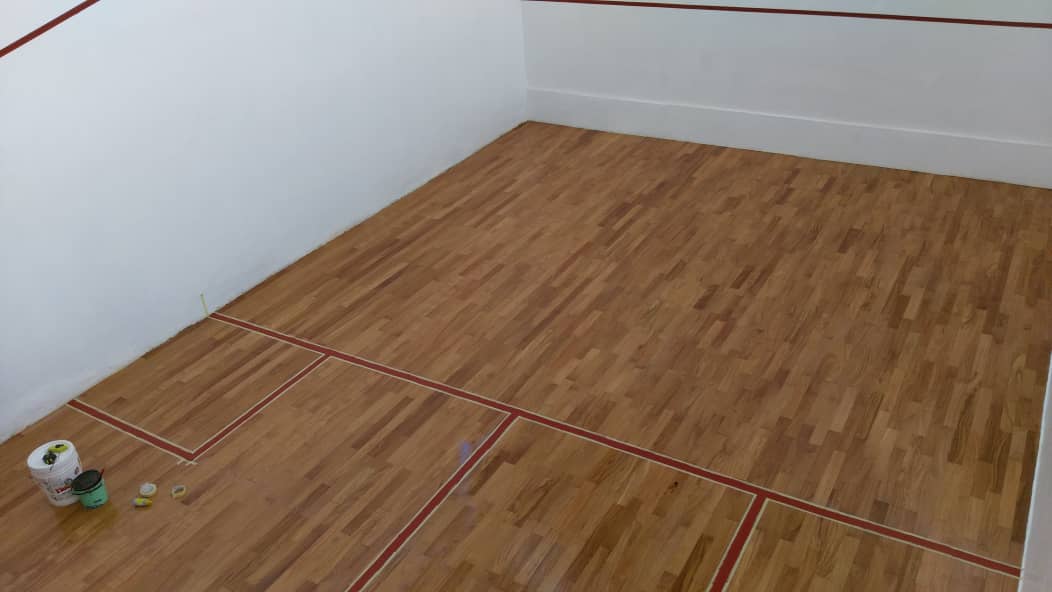
Squash Court Construction: Complete Guide, Materials, and Cost in Nigeria
Squash Court Construction: Complete Guide, Materials, and Cost in Nigeria
Squash court construction is gaining popularity in Nigeria as sports clubs, hotels, schools, and private estates invest in indoor recreational facilities. A squash court is a high-performance enclosed sports facility designed for fast-paced racket gameplay, requiring precision engineering, durable materials, and strict adherence to international standards.
In this guide, we break down the construction process, materials, specifications, and estimated cost of building a standard squash court in Nigeria (2026 pricing).
Standard Squash Court Dimensions (International Specification)
A professional squash court follows World Squash Federation (WSF) standards:
Key internal dimensions:
- Length: 9.75m
- Width: 6.4m
- Height (front wall minimum): 4.57m
- Back wall height: 2.13m
These dimensions ensure the court is suitable for professional and recreational play.
Types of Squash Courts
1. Glass Back Wall Court (Premium)
- Full visibility
- Used in hotels and clubs
- Expensive but modern
2. Concrete/Plastered Court (Standard)
- Most common in Nigeria
- More affordable
- Durable and easy to maintain
3. Portable Modular Court
- Pre-fabricated panels
- Quick installation
- Used for events or temporary setups
Step-by-Step Squash Court Construction Process
1. Site Preparation & Design
- Soil testing
- Layout marking
- Space planning (minimum clearance required)
2. Foundation Works
A strong foundation is critical due to wall rebound dynamics.
Materials used:
- Reinforced concrete
- Hardcore filling
- Sand bedding
- Damp-proof membrane
Estimated Cost:
₦2M – ₦5M
3. Structural Frame & Wall Construction
Walls must be perfectly flat for consistent ball bounce.
Materials:
- Concrete blocks or reinforced concrete
- Steel reinforcement bars (Y10–Y16)
- Cement plaster (high precision leveling)
- Waterproof additives
Key requirement:
Wall flatness tolerance must be within ±2mm for professional courts.
Estimated Cost:
₦5M – ₦10M
4. Floor Construction System
Squash floors are specially designed hardwood or synthetic sports flooring.
Materials:
- Maple hardwood (premium option) OR
- Engineered sports flooring
- Sub-floor battens
- Shock-absorbing underlay
- Moisture barrier
Thickness:
Estimated Cost:
₦6M – ₦15M
5. Wall Finishing & Painting
Walls must provide consistent rebound.
Materials:
- Cement plaster (fine finish)
- Acrylic squash paint
- White markings paint
- Anti-glare coating
Front wall color: usually red or tin-panel white
Side/back walls: white or off-white matte finish
Estimated Cost:
₦3M – ₦7M
6. Glass Installation (Optional Premium Feature)
For high-end squash courts:
Materials:
- Tempered safety glass (12–15mm thick)
- Aluminum framing system
- Rubber sealing strips
Estimated Cost:
₦8M – ₦20M
7. Lighting System
Proper lighting is essential for indoor squash courts.
Materials:
- LED floodlights (anti-glare)
- Ceiling-mounted fixtures
- Wiring system
- Control panel
Recommended Lux level: 500–750 lux
Estimated Cost:
₦2M – ₦6M
8. Ventilation & HVAC System
Squash courts generate heat due to intense activity.
Materials:
- Air conditioning units (optional)
- Ventilation fans
- Air inlets/outlets
- Dehumidifiers (premium courts)
Estimated Cost:
₦2M – ₦8M
9. Accessories & Equipment
- Squash rackets
- Court markings
- Tin (front wall metal strip)
- Protective corner pads
- Scoreboard (optional)
- Court door system
Estimated Cost:
₦500K – ₦2M
Full Cost Breakdown (Nigeria 2026)
| Component | Estimated Cost |
|---|---|
| Foundation & Civil Works | ₦2M – ₦5M |
| Wall Construction | ₦5M – ₦10M |
| Flooring System | ₦6M – ₦15M |
| Wall Finishing | ₦3M – ₦7M |
| Glass System (optional) | ₦8M – ₦20M |
| Lighting | ₦2M – ₦6M |
| HVAC/Ventilation | ₦2M – ₦8M |
| Accessories | ₦500K – ₦2M |
TOTAL COST
Standard Squash Court:
₦15M – ₦30M
Premium Glass Back Court:
₦30M – ₦60M+
Construction Timeline
| Phase | Duration |
|---|---|
| Design & Site Prep | 1–2 weeks |
| Foundation | 2–3 weeks |
| Walls | 2–4 weeks |
| Flooring | 1–2 weeks |
| Finishing & Systems | 2–3 weeks |
Total Duration:
6 – 10 weeks
Key Considerations Before Building a Squash Court
1. Precision Engineering
Even small wall or floor unevenness affects ball rebound.
2. Moisture Control
Indoor humidity must be controlled to avoid floor damage.
3. Lighting Positioning
Improper lighting causes shadows that affect gameplay.
4. Soundproofing
Squash is fast and loud—sound insulation improves user experience.
5. Maintenance Planning
Regular resurfacing every 5–8 years is recommended.
Why Squash Courts Are a Good Investment in Nigeria
Squash courts are becoming a premium asset in:
- Luxury hotels
- Sports clubs
- Universities
- Private estates
- Recreation centers
Benefits:
- High rental value per hour
- Low space requirement compared to football fields
- Attracts premium clients
- Enhances property value
- Supports fitness and wellness lifestyle trends
Conclusion
Squash court construction requires precision, quality materials, and expert execution to meet international standards. In Nigeria, the demand for indoor sports facilities is increasing, especially in high-end hospitality and private developments.
A properly built squash court can last over 20 years with minimal maintenance while generating consistent revenue and enhancing facility prestige.