

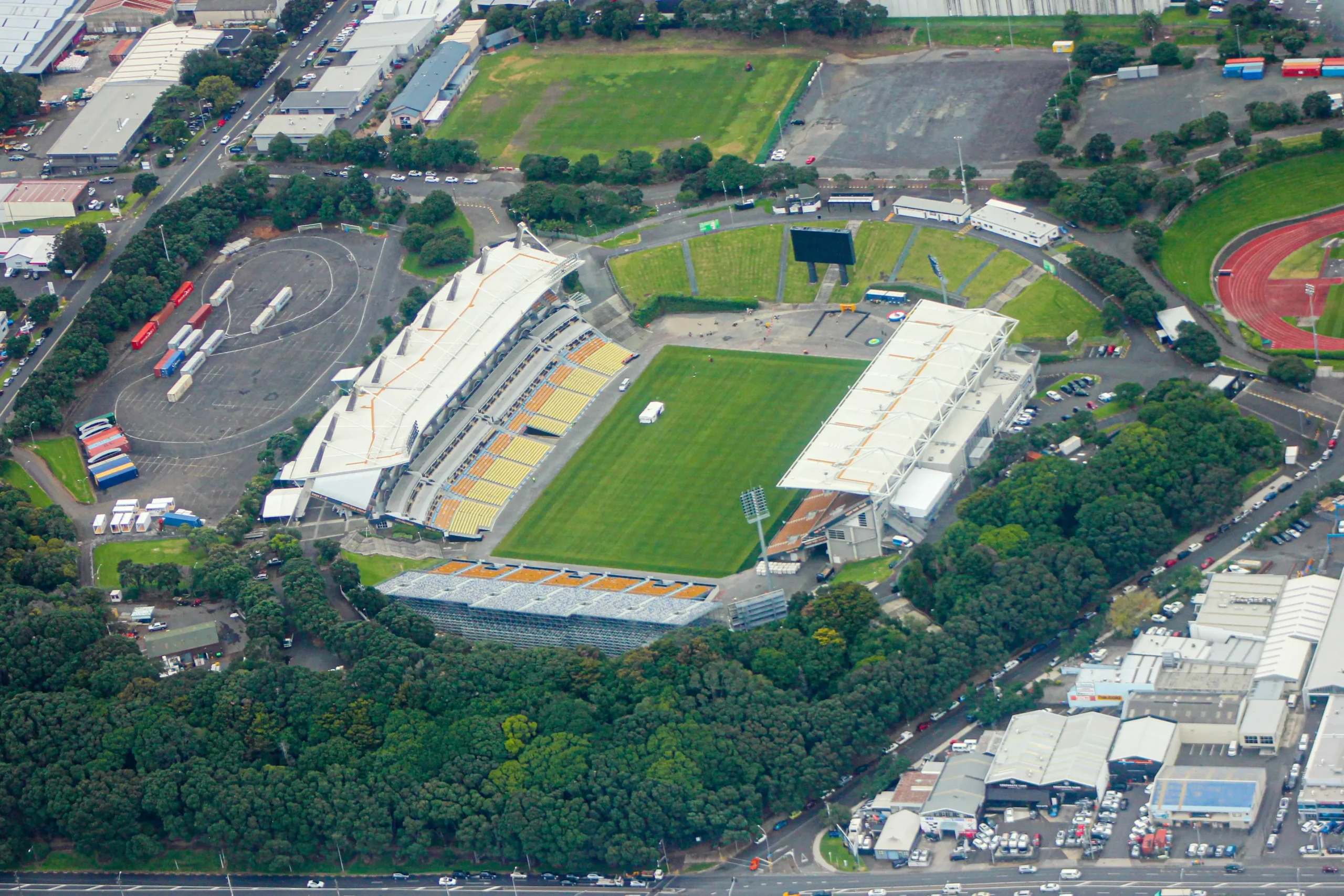
The Rise of Smart Stadiums in Africa
The Rise of Smart Stadiums in Africa
The sports industry is undergoing a technological revolution, and stadiums are at the center of this transformation. Across the world, modern sports venues are evolving from traditional structures into intelligent, connected environments known as smart stadiums. These facilities leverage advanced technologies to improve fan experiences, enhance security, optimize operations, and create new revenue opportunities.
While smart stadium development initially gained traction in Europe, North America, and parts of Asia, Africa is increasingly embracing the trend. Governments, private investors, sports organizations, and infrastructure developers are beginning to recognize that the future of sports infrastructure extends beyond seating capacity and playing surfaces—it includes connectivity, data, automation, sustainability, and digital engagement.
As Africa continues to invest in sports infrastructure, smart stadiums are poised to become a defining feature of the continent’s next generation of sports venues.
What Is a Smart Stadium?
A smart stadium is a sports venue that uses technology and digital systems to improve how the facility operates and how visitors interact with it.
These technologies often include:
- High-speed internet and Wi-Fi
- Mobile ticketing systems
- Smart access control
- Security surveillance
- Artificial intelligence (AI)
- Internet of Things (IoT) devices
- Cashless payment systems
- Smart lighting
- Data analytics platforms
Unlike traditional stadiums, smart stadiums collect and utilize real-time data to improve efficiency, safety, and user experiences.
Why Smart Stadiums Are Becoming Important
Modern sports fans expect more than just a match.
Today’s spectators want:
- Fast entry processes
- Reliable internet connectivity
- Mobile-friendly services
- Comfortable seating
- Digital engagement
- Enhanced security
- Seamless payment experiences
Sports venues that fail to meet these expectations risk becoming outdated.
Smart stadiums address these challenges while creating additional value for owners and operators.
Key Technologies Powering Smart Stadiums
High-Speed Connectivity
Reliable internet access has become essential in modern sports venues.
Fans increasingly use smartphones during events to:
- Share content on social media
- Stream live updates
- Access venue information
- Order food and beverages
- Engage with sponsors
High-capacity Wi-Fi networks support these activities while improving the overall visitor experience.
Digital Ticketing Systems
Traditional paper tickets are rapidly being replaced by digital solutions.
Benefits include:
- Faster entry
- Reduced fraud
- Improved crowd management
- Better attendance tracking
Digital ticketing also provides valuable customer data that can be used for marketing and event planning.
Smart Security Systems
Security remains one of the most critical aspects of stadium management.
Modern smart stadiums utilize:
- AI-powered surveillance cameras
- Facial recognition systems
- Automated access controls
- Real-time monitoring platforms
These technologies help improve safety while reducing operational risks.
Internet of Things (IoT) Sensors
IoT devices collect data throughout the facility.
Applications include:
- Crowd monitoring
- Energy management
- Equipment maintenance
- Environmental monitoring
Facility managers can use this information to make faster and more informed decisions.
Cashless Payment Systems
Many modern stadiums are moving toward cashless operations.
Fans can purchase:
- Tickets
- Food
- Drinks
- Merchandise
Using:
- Mobile wallets
- Debit cards
- QR code payments
- Contactless technologies
Cashless systems improve convenience while reducing transaction times.
The Benefits of Smart Stadiums
Improved Fan Experience
Fan satisfaction is a major driver of sports venue success.
Smart technologies improve:
- Convenience
- Comfort
- Accessibility
- Engagement
Visitors are more likely to return to facilities that provide seamless experiences.
Enhanced Security
Advanced monitoring systems improve:
- Threat detection
- Emergency response
- Crowd management
This creates safer environments for athletes, spectators, and staff.
Increased Revenue Opportunities
Technology creates new revenue streams through:
- Digital advertising
- Data-driven sponsorships
- Premium digital experiences
- Mobile commerce
Smart stadiums often generate more income than traditional venues.
Operational Efficiency
Automation helps reduce costs by improving:
- Energy consumption
- Staffing efficiency
- Maintenance planning
- Resource allocation
This improves long-term sustainability.
Sustainability and Green Stadium Design
One of the most exciting aspects of smart stadiums is their ability to support sustainability goals.
Modern facilities increasingly incorporate:
Solar Energy Systems
Many African countries benefit from abundant sunlight.
Solar power can help reduce:
- Electricity costs
- Carbon emissions
- Grid dependency
Smart Lighting
LED lighting systems consume less energy while providing better visibility.
Benefits include:
- Lower operating costs
- Longer equipment lifespan
- Improved event experiences
Water Management Systems
Smart stadiums often use technology to:
- Monitor water consumption
- Detect leaks
- Optimize irrigation
This is particularly important in regions facing water scarcity.
Waste Management Solutions
Digital monitoring systems help improve waste collection and recycling efficiency.
Smart Stadium Opportunities in Africa
Africa’s sports industry is expanding rapidly.
Several factors support the growth of smart stadium infrastructure.
Growing Urbanization
Urban populations continue to increase, creating demand for:
- Modern entertainment venues
- Recreational facilities
- Sports infrastructure
Increased Sports Investment
Governments and private investors are allocating more resources toward:
- Stadium construction
- Sports complexes
- Training facilities
This creates opportunities to integrate smart technologies from the outset.
Youth Population Growth
Africa’s young population is highly connected and digitally engaged.
Future stadium users increasingly expect:
- Mobile experiences
- Digital services
- Interactive engagement
Smart stadiums align with these expectations.
Potential Applications Beyond Football
Although football dominates sports infrastructure discussions, smart stadium technology can also benefit:
- Basketball arenas
- Tennis facilities
- Athletics stadiums
- Rugby venues
- Multi-purpose event centers
The principles remain the same regardless of the sport.
Challenges Facing Smart Stadium Development in Africa
Despite the opportunities, several challenges must be addressed.
High Initial Costs
Smart technologies often increase construction budgets.
These costs may include:
- Network infrastructure
- Security systems
- Data platforms
- Smart equipment
However, long-term operational savings often offset these investments.
Connectivity Infrastructure
Reliable internet connectivity remains inconsistent in some regions.
Smart stadium success depends heavily on strong digital infrastructure.
Technical Expertise
Operating advanced systems requires:
- Skilled technicians
- IT professionals
- Facility management specialists
Training and capacity building are essential.
Maintenance Requirements
Technology systems require regular updates and maintenance.
Without proper management, smart features can quickly become ineffective.
What Smart Stadiums Could Look Like in Nigeria
Nigeria has significant potential to become a leader in smart sports infrastructure.
Future smart stadiums may feature:
Mobile-Based Entry Systems
Fans purchase tickets and enter venues using smartphones.
Integrated Fan Apps
Providing:
- Live statistics
- Seat navigation
- Food ordering
- Merchandise purchases
Smart Parking Systems
Reducing congestion and improving traffic flow.
AI-Powered Security Monitoring
Enhancing safety and operational efficiency.
Solar-Powered Operations
Reducing energy costs and improving sustainability.
These features can significantly improve the attractiveness and profitability of sports venues.
Business Opportunities for Investors
Smart stadium development creates opportunities for:
- Construction companies
- Technology providers
- Telecommunications firms
- Security solution providers
- Renewable energy companies
Investors can participate through:
- Public-private partnerships
- Stadium redevelopment projects
- Sports complex development
- Technology integration services
The ecosystem surrounding smart stadiums extends far beyond sports alone.
The Future of Smart Stadiums in Africa
Over the next decade, smart stadium technologies are expected to become increasingly common across Africa.
Future developments may include:
- AI-powered crowd analytics
- Smart seating systems
- Augmented reality experiences
- Advanced sustainability technologies
- Personalized fan engagement platforms
- Fully integrated digital ecosystems
As technology costs continue to decline, adoption is likely to accelerate.
The Role of Sports Construction Companies
Sports construction firms will play a critical role in this transformation.
Modern stadium projects increasingly require expertise in:
- Technology integration
- Smart infrastructure planning
- Sustainable design
- Digital systems deployment
Construction companies that embrace innovation will be better positioned to deliver next-generation sports facilities.
Conclusion
The rise of smart stadiums in Africa represents a significant shift in how sports infrastructure is designed, built, and operated.
No longer limited to concrete structures and seating arrangements, modern stadiums are becoming intelligent ecosystems that combine technology, sustainability, security, and fan engagement.
As governments, investors, sports organizations, and developers continue to modernize sports facilities, smart stadiums will play a central role in shaping Africa’s sports future.
For countries like Nigeria and others across the continent, investing in smart stadium infrastructure offers an opportunity to improve sporting experiences, attract international events, generate new revenue streams, and build world-class facilities that meet the expectations of future generations.
The stadiums of tomorrow will not simply host sporting events—they will deliver connected, immersive, and sustainable experiences that redefine the role of sports infrastructure in Africa.