

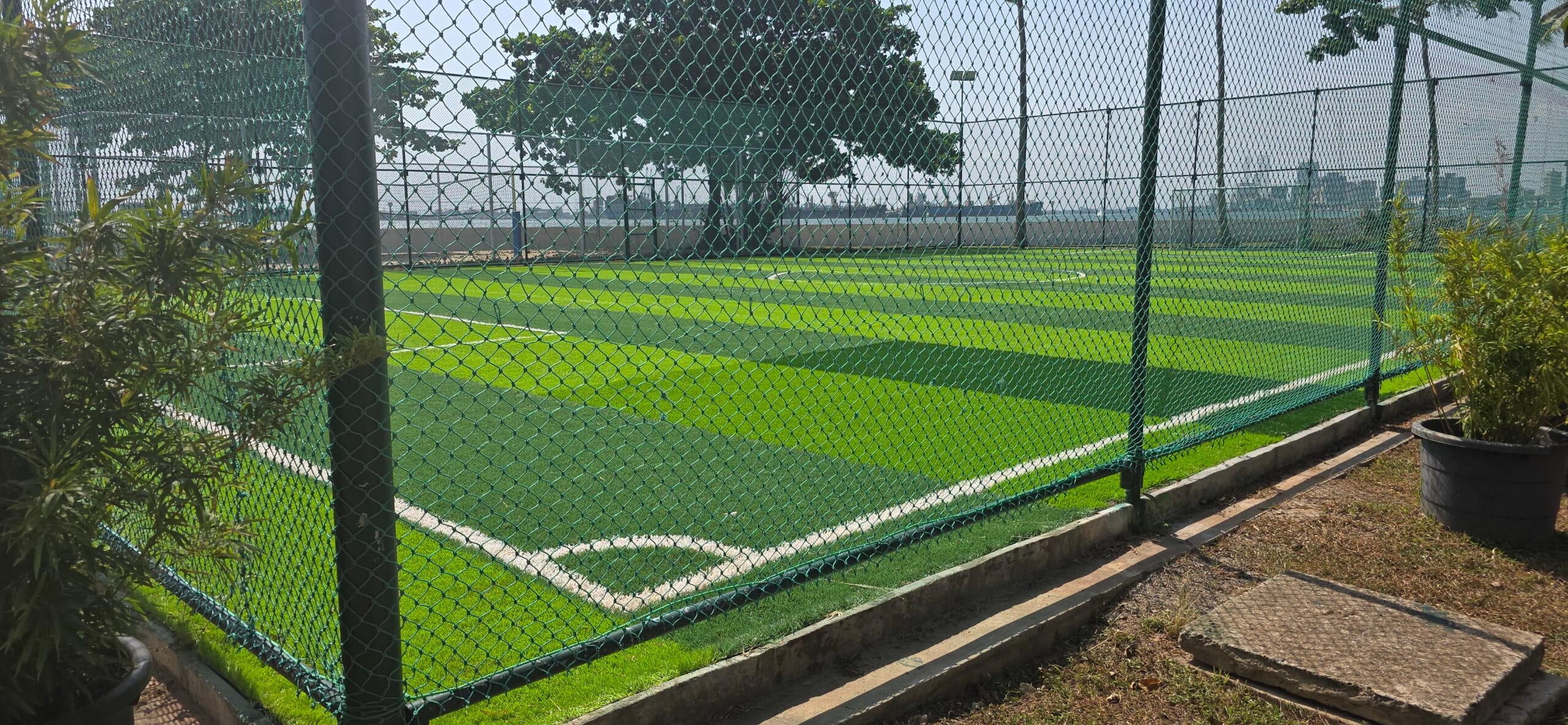
Top Trends in Sports Facility Construction in Africa for 2026
Top Trends in Sports Facility Construction in Africa for 2026
Sports infrastructure development across Africa is entering a transformative phase in 2026. Governments, private investors, schools, real estate developers, and sports organizations are investing heavily in modern facilities designed not only for sports performance but also for community engagement, sustainability, technology integration, and commercial profitability.
From smart stadiums and eco-friendly construction to padel courts and multi-purpose recreational hubs, the sports construction industry is evolving rapidly across the continent.
As countries prepare for major international competitions, youth development programs, and growing recreational demand, several trends are shaping the future of sports facility construction in Africa.
1. Smart Stadiums and Technology-Driven Facilities
One of the biggest trends in 2026 is the rise of smart sports facilities.
Modern stadiums are increasingly integrating:
- Smart lighting systems
- Automated energy management
- Digital security systems
- High-speed connectivity
- Advanced broadcast infrastructure
- Smart access control
Industry experts note that smart stadium technologies are helping facilities reduce operating costs while improving fan experiences and sustainability performance. (Shale24)
Countries preparing for major tournaments are already incorporating advanced ICT systems, broadcast infrastructure, and intelligent lighting into new stadium developments. For example, Kenya’s Raila Odinga International Stadium is currently installing modern broadcast systems, floodlighting, and ICT infrastructure as part of its final construction phase. (Nairobi Wire)
Smart infrastructure is expected to become a standard feature for future African sports venues.
2. Growth of Padel Courts and Mini Sports Arenas
Padel is becoming one of Africa’s fastest-growing sports infrastructure sectors.
South Africa alone now hosts hundreds of padel courts, with developers increasingly building:
- Multi-court padel hubs
- Indoor padel facilities
- Lifestyle sports clubs
- Commercial recreation centers
Industry reports show that many venues are moving from single-court installations to four-to-eight-court commercial clusters with hospitality and retail components. (Padel Build)
This trend is gradually spreading into countries like:
- Nigeria
- Kenya
- Ghana
- South Africa
Developers are increasingly attracted to padel because:
- Courts require less space
- Construction is faster
- Revenue generation is strong
- Participation rates are growing rapidly
3. Sustainable and Eco-Friendly Sports Construction
Environmental sustainability is becoming a major priority in sports infrastructure development.
Sports facilities are increasingly adopting:
- Eco-friendly sports surfaces
- Solar power systems
- Sustainable building materials
- Water conservation technologies
- Low-carbon construction methods
Industry reports show that sustainable sports surfaces are becoming mainstream due to rising environmental awareness and long-term operational savings. (morsportsgroup.com)
A major example is Africa’s first mass-timber stadium in Lesotho, which uses sustainably sourced timber to reduce embodied carbon while promoting environmental responsibility. (Construction Specifier)
Sustainability is no longer viewed as optional—it is increasingly becoming part of long-term facility planning.
4. Multi-Purpose Sports Facilities
The era of single-use sports venues is gradually fading.
Developers are increasingly prioritizing facilities that support multiple activities within the same space.
Modern projects now combine:
- Football pitches
- Basketball courts
- Volleyball courts
- Fitness centers
- Recreational areas
- Event spaces
This approach helps maximize:
- Land usage
- Revenue generation
- Community engagement
- Facility utilization
Multi-purpose facilities are especially attractive in rapidly urbanizing African cities where land costs continue to rise.
5. Major Stadium Renovation and Modernization Projects
Rather than constructing entirely new stadiums, many governments are focusing on upgrading existing infrastructure.
Recent projects across Africa include:
- Stadium rehabilitation
- Track upgrades
- Seating modernization
- Broadcast system improvements
- Security enhancements
- VIP facility upgrades
In Nigeria, the Federal Government recently approved major upgrades to the Moshood Abiola National Stadium, including pitch redevelopment, track rehabilitation, media facilities, security systems, and corporate suites. (FMInfo)
Many countries preparing for future continental tournaments are following similar renovation-focused strategies.
6. Sports Infrastructure Driven by AFCON 2027
The upcoming 2027 Africa Cup of Nations is accelerating sports infrastructure investment across East Africa.
Host countries are investing heavily in:
- Stadium construction
- Training facilities
- Roads
- Hospitality infrastructure
- Broadcast systems
Uganda’s Akii Bua Olympic Stadium and Kenya’s Raila Odinga International Stadium are examples of major projects currently under development ahead of the tournament. (NBS Sport)
These projects are helping raise construction standards and encouraging long-term sports infrastructure growth throughout the region.
7. Community and Grassroots Sports Development
A major shift in 2026 is the growing emphasis on grassroots sports infrastructure.
Rather than focusing solely on elite stadiums, governments and investors are increasingly developing:
- Community sports centers
- Mini stadiums
- School sports facilities
- Youth development hubs
Nigeria recently announced plans for multiple mini stadiums and sports centers nationwide as part of a broader sports development initiative. (Daily Report)
The growing recognition of grassroots sports as a driver of:
- Youth development
- Talent discovery
- Community engagement
- Economic activity
is influencing infrastructure planning across the continent
8. Increased Investment in Aquatic Facilities
Swimming infrastructure has historically been underdeveloped across much of Africa.
However, that is beginning to change.
World Aquatics is currently supporting the construction of new swimming facilities in several African countries through its “Pools for All” initiative. (Business Of Sports Africa)
This reflects a growing effort to:
- Improve athlete development
- Increase sports participation
- Expand access to aquatic sports
Swimming facilities are likely to become a larger part of future sports infrastructure investment plans.
9. Commercialization of Sports Facilities
Sports venues are increasingly being designed as business assets rather than purely athletic spaces.
Developers are incorporating:
- Restaurants
- Retail outlets
- Event spaces
- Fitness centers
- Hospitality services
- Co-working areas
Modern sports facilities are becoming lifestyle destinations that generate revenue beyond sporting events.
This trend is especially visible in:
- Padel clubs
- Multi-sport arenas
- Mixed-use developments
- Estate recreational hubs
Commercial sustainability is now a major consideration during project planning.
10. Demand for Specialized Sports Construction Companies
As facilities become more advanced, demand for specialized sports contractors is increasing.
Clients now require expertise in:
- Sports flooring systems
- Turf technology
- Drainage engineering
- Stadium lighting
- Smart infrastructure
- High-performance surfaces
Poor construction quality can result in:
- Safety issues
- Surface failures
- Expensive repairs
- Reduced facility lifespan
As a result, specialized sports construction firms are becoming critical partners in modern sports development projects.
11. Rise of Energy-Efficient Facilities
Rising electricity costs across Africa are pushing facility owners toward energy-efficient infrastructure.
Popular solutions now include:
- LED sports lighting
- Solar-powered systems
- Smart energy controls
- Water-saving technologies
Many new projects are being designed with lower operational costs in mind, particularly in countries where power reliability remains a challenge.
Energy efficiency is increasingly viewed as both an environmental and financial necessity. (Shale24)
12. Sports Facilities as Real Estate Amenities
Real estate developers are increasingly integrating sports infrastructure into residential and commercial projects.
Modern developments now feature:
- Mini football pitches
- Basketball courts
- Tennis courts
- Padel facilities
- Outdoor gyms
Sports amenities are becoming key selling points for:
- Luxury estates
- Mixed-use developments
- Student housing
- Hospitality projects
Developers increasingly recognize that buyers and tenants value active lifestyle infrastructure.
Conclusion
The future of sports facility construction in Africa is being shaped by technology, sustainability, commercial innovation, and growing participation in sports and recreation.
The biggest trends in 2026 include:
- Smart stadium technology
- Eco-friendly construction
- Padel court expansion
- Multi-purpose facilities
- Grassroots sports infrastructure
- Energy-efficient systems
- Commercial sports hubs
At the same time, major continental events such as 2027 Africa Cup of Nations are accelerating infrastructure investment and raising construction standards across multiple countries.
For sports construction companies, investors, governments, schools, and developers, these trends present significant opportunities to build facilities that are not only modern and profitable but also capable of supporting long-term athletic development and community impact across Africa. (Padel Build)